
Pakistan moves to make e-passport chips at home as DG directs PSPC to work with NUST
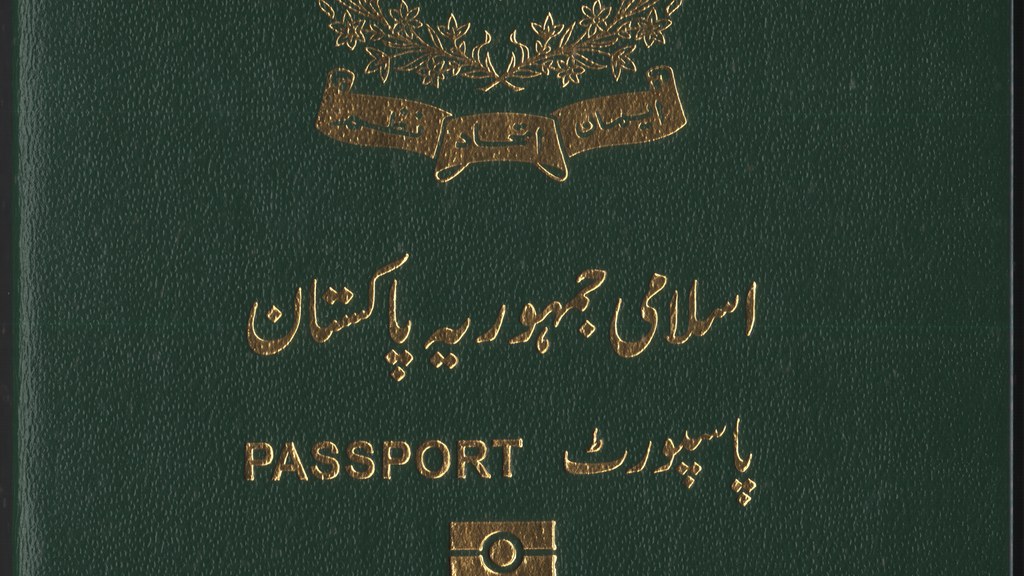
File photo: Pakistan's current e-passport, issued since 2023 — the chip inside it is now planned to be produced locally.
Islamabad: Pakistan has taken its first practical step towards making the chip inside its own e-passport at home. The Directorate General of Immigration and Passports has decided to begin work on local production of the passport chip, a move meant to tighten security and cut dependence on foreign technology for a sensitive document.
The whole production chain came under review
The decision came out of a virtual meeting chaired by the Director General of Immigration and Passports, with officials of the Pakistan Security Printing Corporation (PSPC) in attendance. The discussion went well beyond the chip itself. Printing, supply chain management and the timely availability of passport booklets all came under review, as officials went over the production system end to end.
Polycarbonate data cards also in line for improvement
The meeting also looked at strengthening the e-passport’s security features and bringing existing security standards in line with international requirements. Improving the production of polycarbonate data cards got particular attention, so that quality improves and the cards meet international standards. It is the data card that carries the chip and the holder’s details.
PSPC told to work with the NUST team
The Director General directed PSPC officials to work with the team at the National University of Sciences and Technology (NUST) and take effective steps towards developing the chip locally and ensuring its security. Officials said the plan fits the government’s vision of digital transformation and greater reliance on home-grown technological capability.
Background: NUST talks are not new
This is not the first time NUST and the passport authorities have sat down over microchips. In a meeting reported on 1 November, Director General Muhammad Ali Randhawa met a NUST delegation that presented its ongoing microchip research, and the two sides discussed a possible memorandum of understanding. No final agreement or implementation timetable came out of that meeting. Today’s direction is the next link in that chain — a planning and preparation stage, not a factory going up or production starting.
What the chip inside an e-passport actually does
The chip stores the holder’s personal information, biometric details, a unique identification number and a digital signature. The new e-passport, with NFC technology, laser engraving and encryption in line with International Civil Aviation Organization standards, has been issued for all new applications since 23 October 2026. Machine-readable passports already in circulation remain valid until they expire.