HPV vaccination drive begins in Chitral, targeting 22,000 girls against cervical cancer
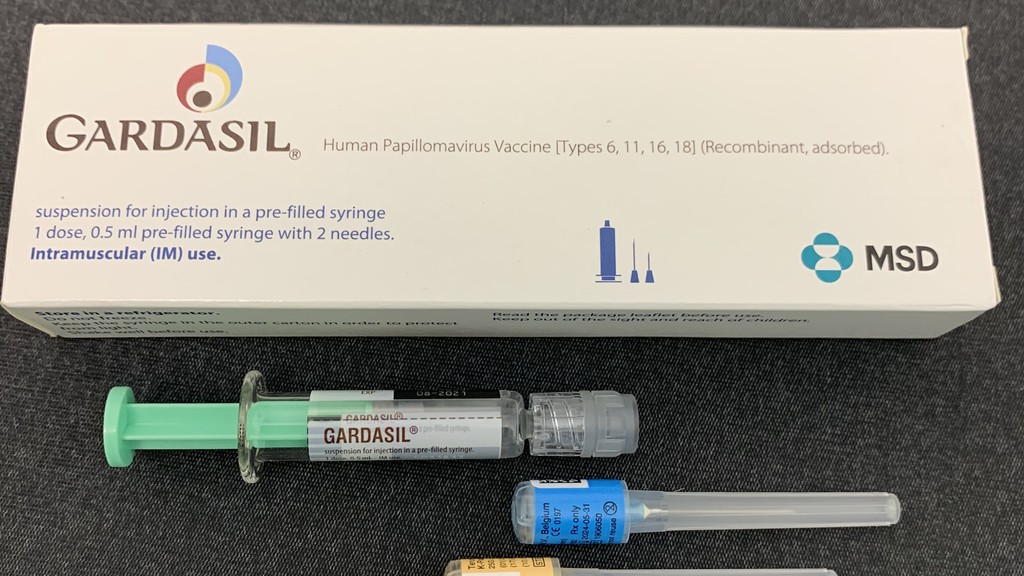
File photo: an HPV vaccine box and pre-filled syringe (Wikimedia Commons) — not the doses being administered in the Chitral campaign.
CHITRAL: A 15-day vaccination campaign to protect girls against cervical cancer began in Lower Chitral on Wednesday, targeting 22,000 girls aged between nine and 15.
26 teams to cover schools, seminaries and homes
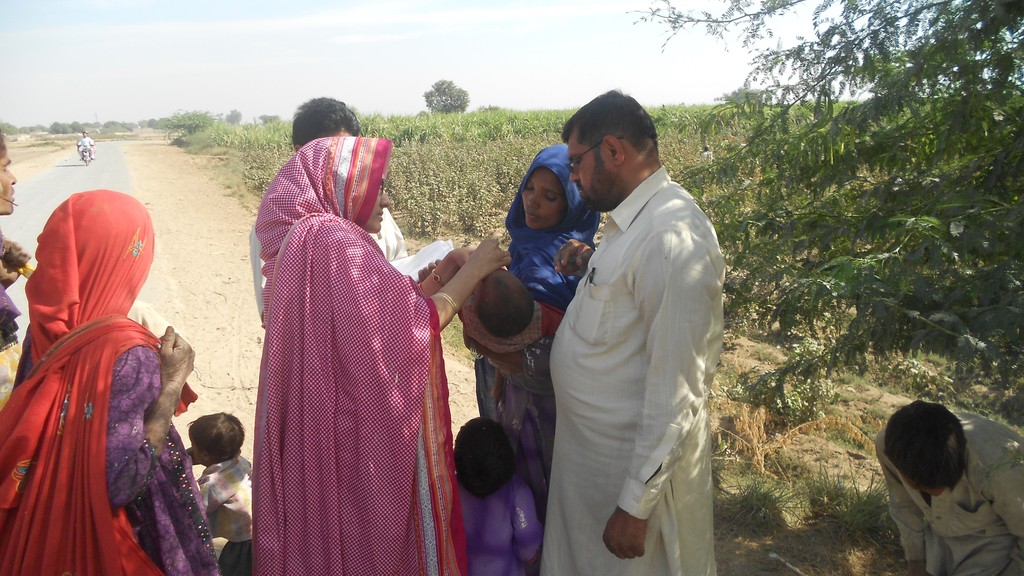
The health department has formed 26 specialised mobile teams that will visit government and private schools as well as religious seminaries across the district, which together account for about 95 per cent of the girls in the target age group. A door-to-door drive will run alongside to reach girls who are out of school or missed during the institutional visits. The campaign was announced at a briefing at the Chitral Press Club by Deputy District Health Officer Dr Irshad Ahmad and Expanded Programme on Immunisation (EPI) District Coordinator Dr Farman Nizar Khan.
Free vaccine that costs up to Rs42,000 privately
The HPV vaccine has now been formally included in Pakistan’s national EPI schedule as the 14th vaccine-preventable disease, and this drive is aimed at girls aged nine and above who have not yet received it. In the private market a single dose can cost up to Rs42,000, putting it beyond the reach of most families; the government is providing it free of charge. Cervical cancer is the third most common and deadliest cancer among women worldwide, and it claims about 5,000 lives in Pakistan every year. Developed countries began mass vaccination as early as 1995; Pakistan launched its national rollout in 2025.
Province-wide drive runs till Nov 24
Across Khyber Pakhtunkhwa, a parallel campaign is running from Nov 11 to 24 for girls aged nine to 14, and parents can call the Sehat Tahaffuz helpline on 1166 for information. Health officials dismissed concerns circulating on social media about the vaccine’s safety and religious permissibility, noting that Islamic countries including Saudi Arabia incorporated it into their national health systems as early as 2010 and that leading scholars in Pakistan and abroad have issued fatwas declaring it permissible. Parents, teachers and civil society have been urged to cooperate with the vaccination teams.