ECO adopts Vision 2035 and Islamabad Communiqué as Pakistan takes chairmanship for 2026-27
ISLAMABAD: The Council of Ministers of the Economic Cooperation Organization (ECO) wrapped up its 30th session in Islamabad on Monday by adopting the Strategic Goals of Economic Cooperation 2035 — ECO Vision 2035 — along with the Islamabad Communiqué, as Pakistan formally took over the organisation’s chairmanship for 2026-27.
“Turning commitments into concrete action”
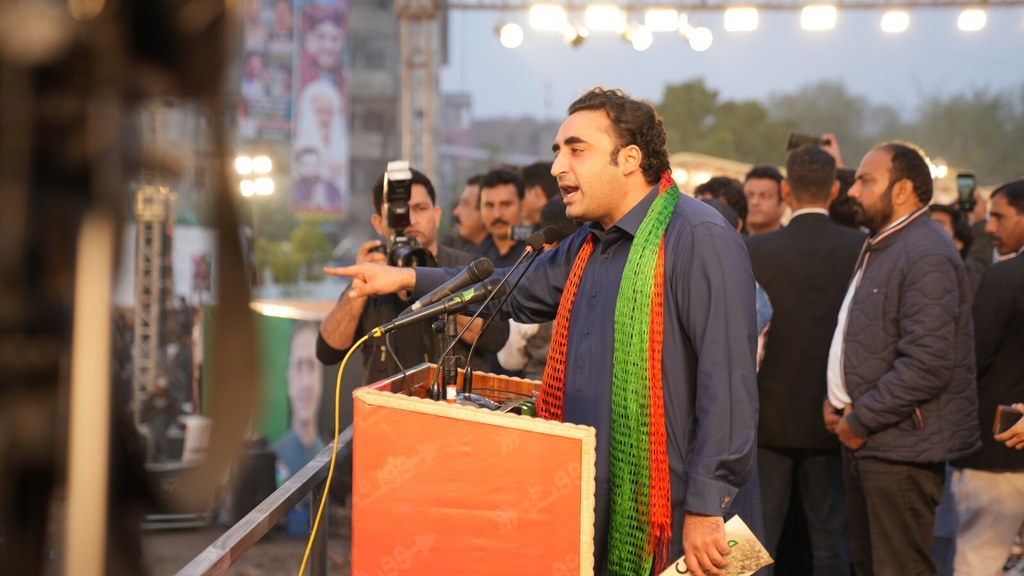
Deputy Prime Minister and Foreign Minister Ishaq Dar, who chaired the two-day meeting, called the adoption of Vision 2035 “an important milestone in charting the future course of our organisation over the next decade”. The framework, he said, gives member states a shared basis for advancing regional priorities alongside the Islamabad Communiqué. “Our task now is to translate our collective commitments into concrete action,” Dar told the closing session, adding that it would take “clear priorities, realistic timelines, and effective follow-up mechanisms”. He thanked all delegations for what he described as constructive engagement, saying the deliberations had reaffirmed the bloc’s shared commitment to regional economic cooperation and integration.
Five priorities for Pakistan’s chairmanship
Dar set out five priorities for Pakistan’s year at the helm: expanding trade and investment, strengthening regional connectivity, advancing the ECO Trade Agreement, building regional resilience and promoting human development. On connectivity, he said Pakistan would push to improve transport and transit links between Central Asia, South Asia and Pakistani ports on the Arabian Sea, arguing that harmonised customs procedures, efficient border management and predictable transit arrangements were essential to making regional trade routes commercially viable. Work on modernising the trade agreement will build on the negotiating strategy and roadmap approved by ECO trade ministers in November 2025. On resilience, Dar called for closer cooperation in disaster preparedness, early warning systems, sustainable water management and climate-resilient infrastructure.
Araghchi presses for a regional energy mechanism
Iranian Foreign Minister Abbas Araghchi told the meeting the region needed a reliable and sustainable regional energy mechanism, saying the US-Israeli war on Iran had choked key fuel supply routes — the Strait of Hormuz and Bab al-Mandab. He also pressed for a “modern, new-generation, more inclusive, effective and operational trade agreement”, and described the situation in Palestine as “the most pressing international crisis”.
Vision 2035 succeeds ECO Vision 2025, adopted at the 13th ECO Summit in Islamabad in March 2017. The council will meet for its 31st session in 2027, and Pakistan has reaffirmed it will host the ECO Summit that year; Iran will host the 18th ECO Summit on December 3-4. The two-day meeting, held under the theme “Reviving Regionalism for a Resilient ECO”, brought together foreign ministers and senior representatives of the bloc’s 10 member states. No delegation from Afghanistan attended. A day earlier, senior officials chaired by Foreign Secretary Asim Iftikhar Ahmad had finalised the agenda and the draft Islamabad Communiqué.