ICJ report finds ‘judicial capture’ in Pakistan after 26th and 27th amendments

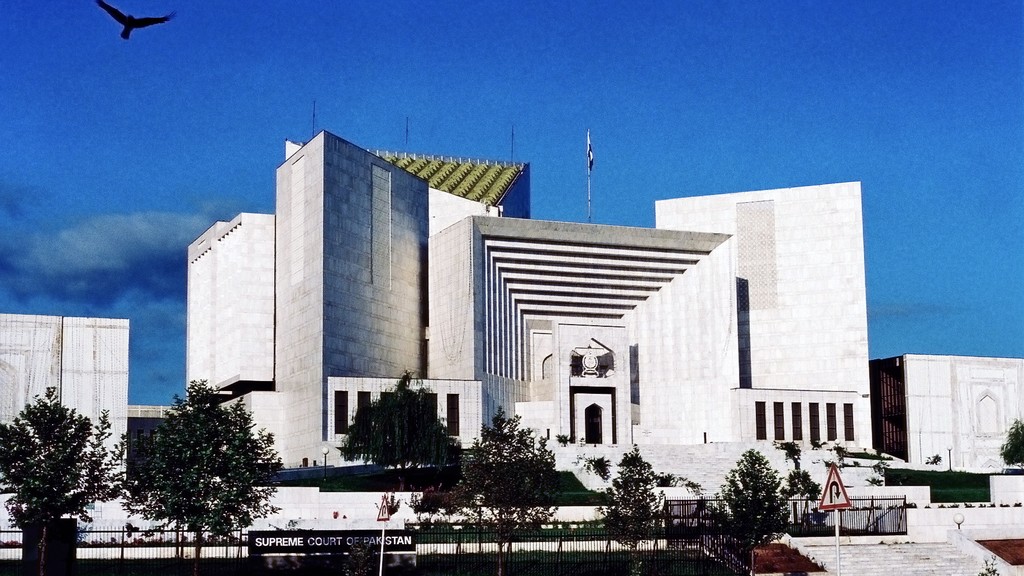
The Supreme Court of Pakistan building in Islamabad. File photo
ISLAMABAD: The International Commission of Jurists (ICJ) has said in a new report that Pakistan’s judiciary has effectively come under the control of the political branches of the state after the 26th and 27th constitutional amendments. The report, published on Wednesday, concludes that a series of constitutional and legislative changes has gravely impaired the judiciary’s capacity to act as an effective check on the government and to provide effective remedies for human rights violations.
The report, titled “Judicial Capture: Independence of the Judiciary in Pakistan after the 26th and 27th Constitutional Amendments”, examines the institutional framework governing the High Courts, the Supreme Court and the Federal Constitutional Court in light of Pakistan’s obligations under international law.
The Secretary-General’s blunt verdict
“The 26th and 27th amendments have done exactly what we feared: they have placed Pakistan’s highest courts under the control of the executive. When the courts are captured, no one is left to hold the government to account, and victims of human rights violations have nowhere to turn,” said Santiago Canton, the ICJ’s Secretary-General.
What the two amendments changed
The 26th Amendment, passed in October 2024, changed the composition of the Judicial Commission, took away the chief justice’s suo motu powers, set the chief justice’s term at three years, and empowered the prime minister to pick the next chief justice from among the three most senior Supreme Court judges. The 27th Amendment, passed in November 2025, created the Federal Constitutional Court and transferred constitutional litigation from the Supreme Court to the new court. It also changed the military’s chain of command and granted immunities to top government officials.
According to the report, the cumulative effect of the amendments and their implementation is that Pakistan’s highest courts no longer enjoy the institutional guarantees of independence required by Article 14 of the International Covenant on Civil and Political Rights and the UN Basic Principles on the Independence of the Judiciary.
What the report recommends
The ICJ recommends revision or repeal of the provisions in the 26th and 27th amendments that are inconsistent with international law and standards on the independence of the judiciary. The Human Rights Commission of Pakistan has separately called for both amendments to be reviewed.
For context, hours after the president signed the 27th Amendment into law on 13 November 2025, two of the Supreme Court’s most senior judges — Justices Syed Mansoor Ali Shah and Athar Minallah — resigned. The report notes that the Federal Constitutional Court decided 8,735 cases in its first year, with 6,657 new cases filed.