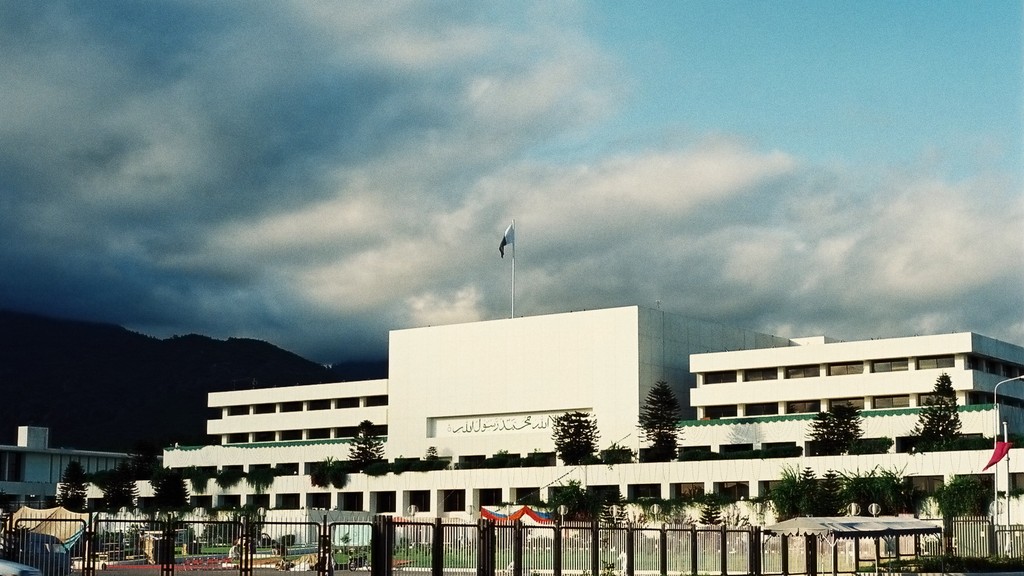
Pakistan takes G-24 chairmanship, Aurangzeb sets out three priorities
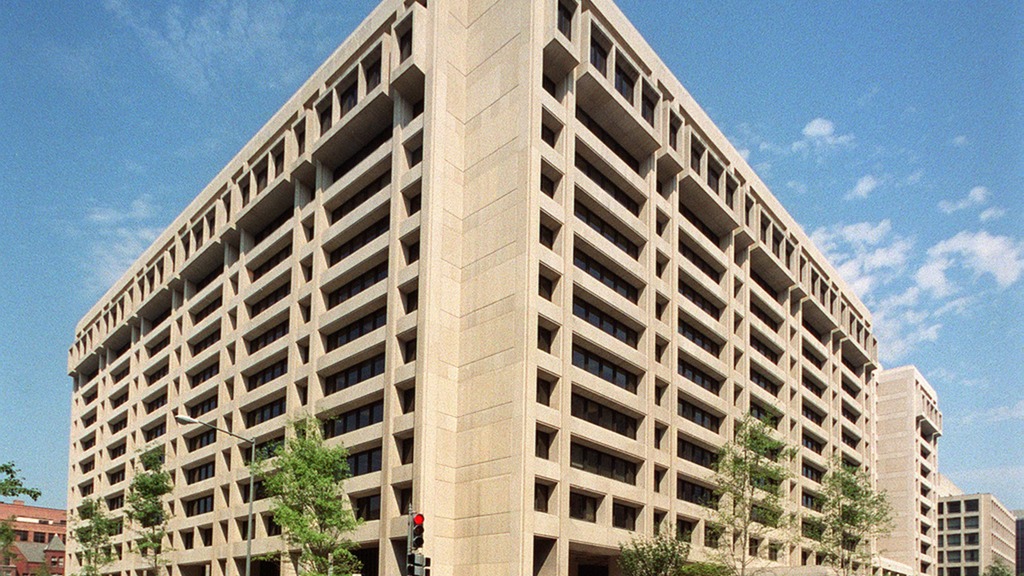
File photo: IMF headquarters in Washington, DC. The G-24 coordinates developing countries' positions at the IMF and World Bank.
Islamabad — Pakistan formally took over the chairmanship of the Group of Twenty-Four on Sunday, picking up a year in which it will speak for the developing world’s finance ministers. The chair passes from Nigeria; the handover was settled at the group’s ministerial meeting in Bangkok last month, where Finance Minister Muhammad Aurangzeb was serving as first vice-chair. Now the gavel is his.
In a statement from the Finance Ministry, Aurangzeb called the job a profound responsibility. “The future of developing economies is not peripheral to the future of the global economy. It is central to it,” he said, arguing that emerging economies can drive investment, innovation and jobs — if the financial architecture around them stops getting in the way.
What are the three priorities?
First, put development at the centre of global economic policymaking. Aurangzeb’s case is that macroeconomic stability is not the destination, it is the foundation — the ground on which investment, productivity, employment and shared prosperity are built, so that developing and low-income economies can move past crisis management and toward durable growth.
Second, make the multilateral system more inclusive and representative. Pakistan will push for fairer governance of the Bretton Woods institutions, meaningful participation for developing countries in decisions that affect them, and an IMF and World Bank more responsive to what their members actually need.
Third, build a financial architecture oriented to development: affordable and timely development finance, sustainable debt solutions, stronger global financial safety nets, climate resilience, and more public and private capital mobilised behind all of it.
What exactly is the G-24?
Founded in 1971, the group is where developing countries hammer out a common position on international monetary and financial questions, above all at the IMF and the World Bank. Its members span Africa, Asia, Latin America and the Caribbean, and it works by consultation, consensus and collective advocacy — a caucus, not a bank.
Where the chair will actually be tested
Prime Minister Shehbaz Sharif welcomed the appointment as a significant diplomatic milestone, a recognition of Pakistan’s effective role on the global economic stage, and praised Aurangzeb and the Finance Ministry team for their work at the IMF and World Bank annual meetings. The praise is real, but so is the limit of the job: the G-24 lends nothing and sets no quotas. Its communiqués matter only insofar as they move the spring meetings and the quota review that follow.
And the test is not only in Washington. On the same day, Dawn reported that the Federal Board of Revenue collected Rs4.089 trillion in July–October against a target of Rs4.185 trillion — Rs96 billion short. That gap is the reason affordable development finance is a necessity for Islamabad, not a talking point.
Aurangzeb himself set the bar. “The true measure of our collective leadership will not simply be the strength of our voice, but the difference that voice makes,” he said, promising to move “from collective voice to collective influence, and from collective influence to meaningful progress.” The chairmanship year will show how far that voice travels.