Sindh cuts wheat release price by Rs500, flour relief expected for consumers
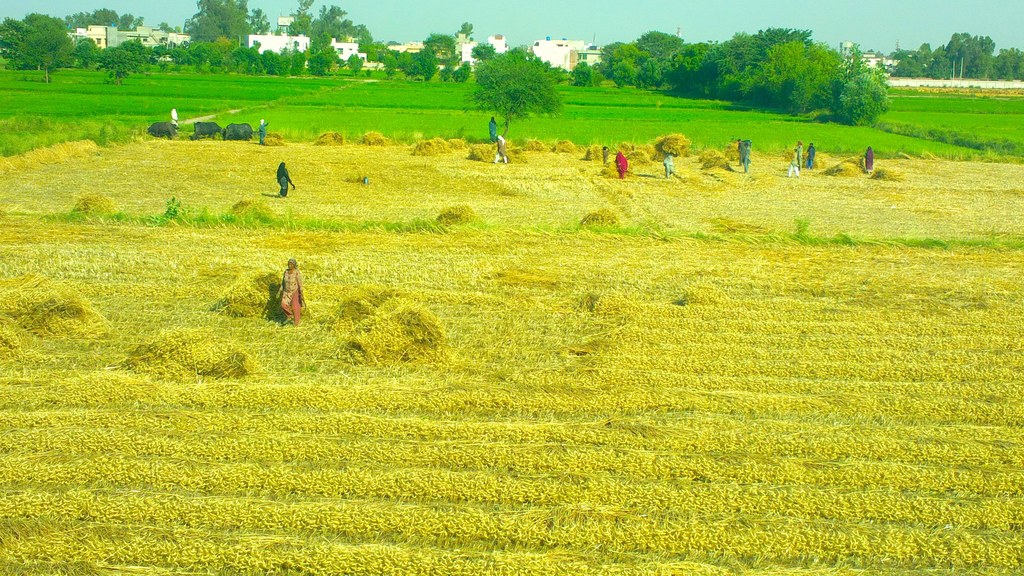
A file photograph of a wheat field at harvest — not a photograph of the Sindh cabinet meeting or any particular farm.
KARACHI: The Sindh wheat price cut approved by the provincial cabinet on Tuesday should soon show up in the price of flour, if the government’s instructions to the mills are followed. Chief Minister Syed Murad Ali Shah chaired the meeting at CM House, where the cabinet agreed to bring down the release price of government wheat supplied to flour mills and atta chakkis from Rs5,000 to Rs4,500 per 40kg — a cut of Rs500. Until now, the same wheat was being released at Rs12,500 per 100kg.
How much cheaper will flour get?
Senior Minister Sharjeel Inam Memon, briefing reporters after the meeting, said the cut should translate into flour becoming cheaper by Rs15 a kilo, and that mills have been told plainly to pass the benefit on to consumers rather than pocket it. Some reports have put the fall even higher, at Rs17 a kilo, suggesting market prices had already started easing before the cabinet met. Memon said the decision follows a dip in market prices and brings Sindh’s rate in line with the other provinces — a point the government clearly wanted to underline, given how politically sensitive flour prices are in a province where the staple fills most household budgets.
Which price is this, exactly?
It is worth being precise about what has changed. This is the release price of wheat already held in government stocks, sold on to mills — not the price at which the government buys wheat from farmers. That distinction matters, because the relief only reaches ordinary buyers if the mills actually lower their flour prices. The cabinet’s direction to the mills is, in effect, the whole policy: a cheaper input that never leaves the mill gate helps no one queuing at a chakki.
Other decisions from the same meeting
The cabinet had a full agenda beyond wheat. It approved a $1 billion urban development programme, with Asian Development Bank support, for five divisional headquarters, covering water supply, drainage, sanitation and sewerage. It fixed 15 November as the start of the 2026-27 sugarcane crushing season, approved 1,275 acres in Malir district for a Karachi Industrial Park, and agreed to set up a Traffic Management Authority for Karachi, with a smart traffic system to follow.