Government approves new LPG policy: state firms return to imports, subsidised gas for deserving consumers
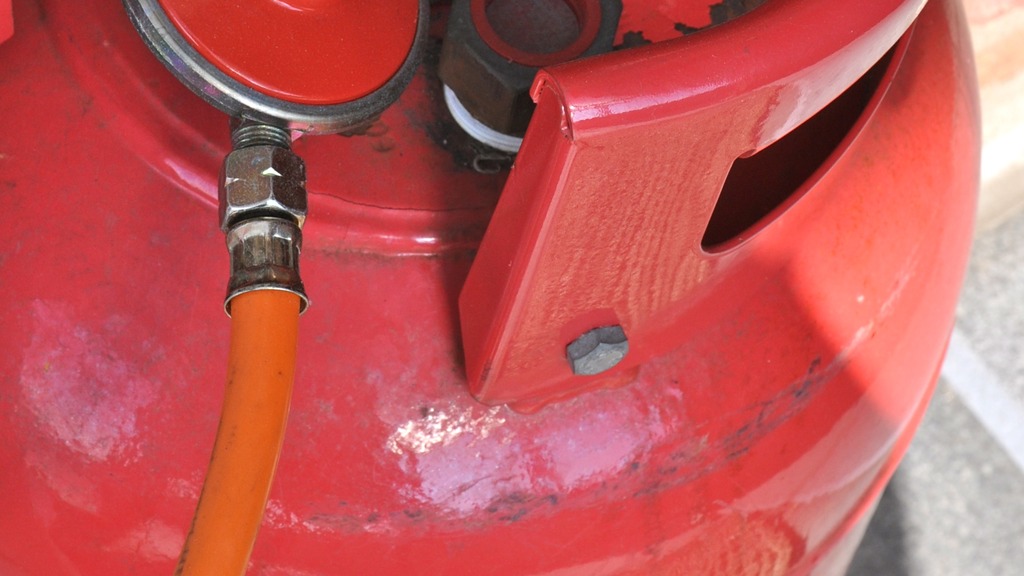
A file photograph of an LPG cylinder — not a photograph of any particular company or shop.
ISLAMABAD: With winter closing in and cooking gas already selling far above the official rate, the federal cabinet has approved a new LPG policy that brings state-owned companies back into imports, scraps the quota system for local gas, and promises subsidised supplies for the country’s poorest households. Petroleum Minister Ali Pervaiz Malik announced the decision on Tuesday at a press conference at PTV headquarters, alongside Information Minister Attaullah Tarar.
Four state firms back in the import business
Under the policy, Pakistan State Oil, Pakistan LNG Ltd, Sui Southern Gas’s LPG company and Parco-LPG have been directed to arrange bulk LPG purchases through government-to-government and business-to-business deals. The minister said the four companies had already received supply offers from Saudi Arabia and Oman. The idea, plainly stated, is to break the grip of a handful of private importers by putting real competition — and real volumes — back into the market.
Quotas out, open auctions in
The second half of the reform concerns gas produced inside Pakistan. Until now, local LPG has been handed out through quotas, a system dogged by questions about transparency. That ends under the new policy: local supplies will be sold in five-tonne and ten-tonne lots through competitive auctions, with the results made public. Ten percent of local production is reserved for hard and remote areas, to be distributed through state marketers in consultation with the provinces.
Rs300-350 a kilo for BISP households
For households on the Benazir Income Support Programme, the prime minister has directed that gas be provided at Rs300 to Rs350 per kilo, Malik said. The subsidy will be financed from a new fund fed by the difference between the import parity price and the proceeds of auctioning locally produced gas. There is a telling detail here: even that subsidised rate sits above the Rs294.08 per kilo maximum notified by OGRA for November — a measure of just how far market prices have run ahead of the official benchmark.
Why prices ran away
The roots of the crisis are in import costs. Saudi Aramco’s contract price has climbed from $540 a tonne in March to $756, and spot-market premiums now add another $300 to $400 a tonne on top. That puts the fully loaded cost of spot-market LPG at Rs450 to Rs500 a kilo, while retailers in some cities have been charging Rs600 to Rs700. The old 2016 policy, built around a free-on-board formula, never properly accounted for import costs at all, pushing supplies into informal channels. Pakistan uses about 2.4 million tonnes of LPG a year, more than half of it imported.
A separate warning on power prices
The same Dawn report carries a separate warning on electricity. The power division has placed six scenarios for rebasing the power purchase price for January to December 2027 before Nepra at a public hearing, pointing to an increase of roughly Rs2 to Rs4 per unit. The projected annual power purchase cost ranges from Rs3.4 trillion to Rs3.8 trillion.