Pakistan’s Afghan repatriation drive enters a harsher phase as 1.42 million face removal
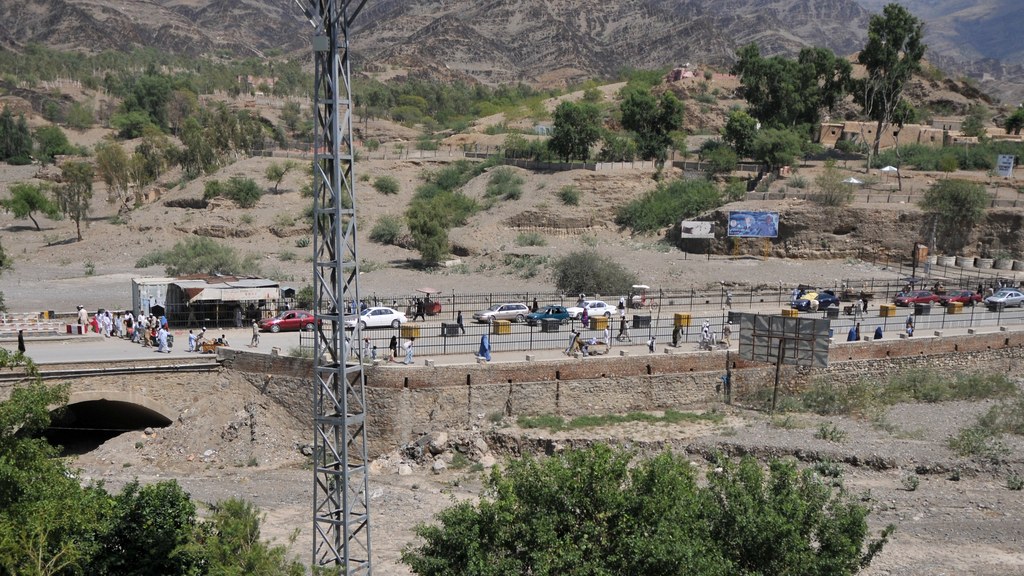
Vehicles and travellers at the Torkham border crossing (file photo — not a photograph of the repatriation drive itself).
Islamabad: Pakistan’s campaign to send Afghan nationals back across the border has entered a new and harsher phase. According to fresh reports, around 1.42 million Afghans still in the country now face removal, and the authorities have stepped up door-to-door searches, raids and property seizures in Khyber Pakhtunkhwa. The Punjab Home Department says 2,807,250 Afghan nationals have already returned, 143,474 of them from Punjab alone. The scale of those numbers says something about a campaign that began in 2023 and is now moving towards its final major phase.
Why Khyber Pakhtunkhwa is at the centre
The sharpest edge of this new phase is being felt in Khyber Pakhtunkhwa, which hosts the largest Afghan population and sits closest to the border. There, search operations have intensified, document checks have tightened, and returns through Torkham continue. Punjab’s picture is no less stark: the department says more than 400,000 search operations have been carried out in residential areas and markets across the province, and 39 holding centres are currently operating, housing 153 Afghan nationals. The official position is plain — stay without a valid visa is illegal — and citizens have been asked to report illegal stay or identity fraud to helpline 15.
Strained ties and the security argument
Islamabad accuses the Taliban government of harbouring the militants who launch attacks into Pakistan from across the border, and it is that charge which has driven relations between the two governments to this point. The Taliban have consistently rejected the allegations, but the pace of the campaign has quickened markedly since the border tensions and the imposition of governor’s rule in Khyber Pakhtunkhwa. On the other side, some returning Afghans have complained of police mistreatment, and United Nations experts have already warned against forced deportations — particularly where women and children could face danger on return. That is where the security argument and the human-rights question collide.
What happens next
The figures suggest the campaign is approaching its final stage, but its political weight is not diminishing. For Pakistan it is a security matter; for Kabul it is diplomatic pressure; and caught between the two are families who have lived here for years. This week a US court also temporarily blocked a plan to deport detained Afghans via Pakistan, pulling the issue into international focus. The coming days will show whether this phase stays an administrative operation, or becomes another crack in an already fractured relationship.