Auto Policy 2026-31: Cheaper Cars Promised, but Three Big Tests Remain
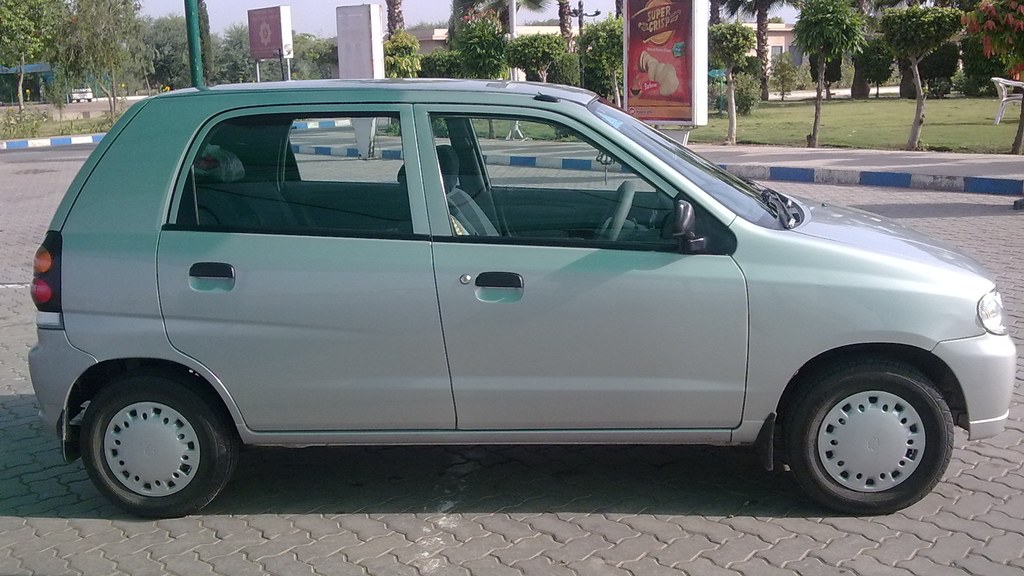
File photo: a Suzuki Alto VXR in Pakistan — the small cars the new auto policy aims to make cheaper. (Photo: Illusive255, Wikimedia Commons, CC BY-SA 3.0)
The government unveiled its new Auto Policy 2026-31 on Saturday, and on paper it is the most ambitious attempt yet to fix Pakistan’s car market. Announcing it in Islamabad, Information Minister Attaullah Tarar and the prime minister’s industries adviser, Haroon Akhtar Khan, said the policy stands on six pillars: cheaper vehicles, exports, localisation, vehicle safety, electric vehicles and transparency. The promises are big — every car except luxury models gets cheaper, $6 billion in exports over five years, and one in three new vehicles electric by 2030. But there is a long distance between a press conference and a showroom price tag, and this policy will be judged on three tests.
Will prices actually fall?
Duties on fully built cars, assembly plants and components will come down a little every year, Akhtar said, until tariffs are competitive after five years. The focus is squarely on the small cars most Pakistanis buy — 850cc, 1,000cc and 1,300cc. The question is whether the duty cuts reach the buyer or stay in the assembler’s pocket. Tarar himself conceded the point: for decades, protectionist policies raised duties while the local industry failed to innovate or add value. That is the weakness this policy has to break. If it doesn’t, prices will fall on paper and stay put in the showroom.
The IMF hurdle
The EV tax rates — 1% sales tax on pure electrics, 6% on range-extended EVs and 9% on plug-in hybrids — are all subject to IMF approval. The government has already rejected the Fund’s suggestion of 18%, but final clearance is still pending. EVs priced up to $50,000 will pay no capital value tax, withholding tax or federal excise duty; anything above that counts as luxury. State Bank car financing for EVs rises from Rs3 million to Rs10 million, with the repayment period stretched from three years to five. All of it hangs on the IMF saying yes — and the Fund has never been quick to bless revenue giveaways.
Exports and localisation, together or not at all
Localisation is now mandatory, with targets set for manufacturers. Hit your export target and you get a 5% duty drawback on local taxes and levies, plus another 10% on incremental exports. Miss it and there is a penalty — and no drawback at all unless both the export and localisation targets are met. The $6 billion target is ambitious, and parts makers warned even at the draft stage that rapid tariff cuts could damage local parts manufacturing. The government’s answer is more plants and more jobs. The evidence will take years to arrive.
Who pays for it?
The policy is designed to be revenue-neutral: the incentives will be paid for by taxing petrol cars above 1,000cc, while cars below 1,000cc are untouched. In other words, the middle-class buyer of a 1,300cc car will indirectly fund the EV incentives. If that balance holds, the policy can work. If sales of bigger cars slide, the arithmetic falls apart.
There is substance beyond the headlines, too: 45 additional safety standards under the UN’s WP.29 code, sales tax on charging-station equipment cut to 1% with customs duty removed, and BYD due to start local production in December. Electric two-wheeler sales have already jumped from 60,000 to 240,000 in a year. The direction looks right. But the verdict will come down to three things — prices, the IMF, and exports. If any one of them slips, this policy will join its predecessors in the filing cabinet.