Makkah defence pact is not directed against any country, Dar says — defensive deal, Islamabad huddle this month
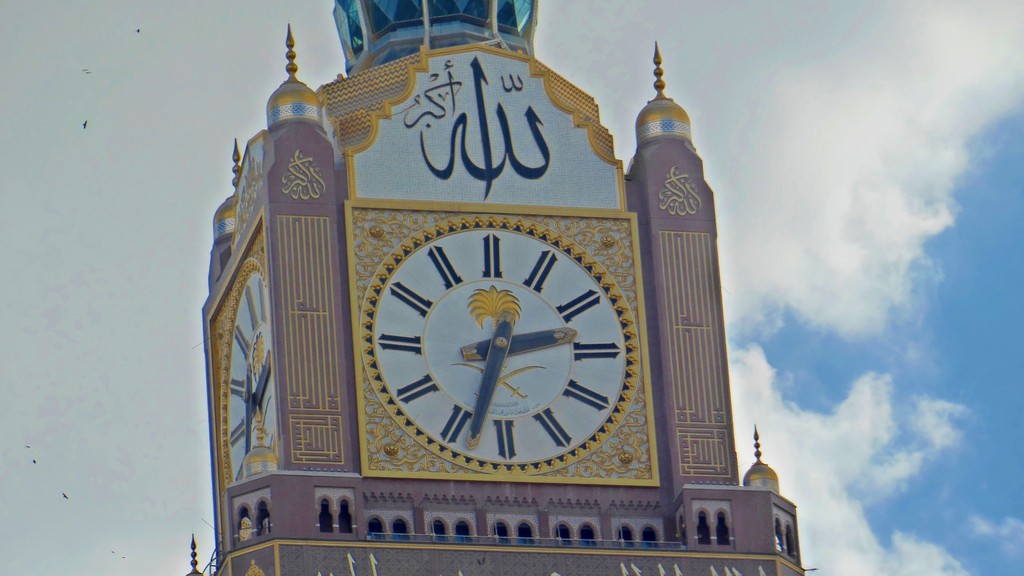
The Abraj Al Bait clock tower in Makkah (file photo)
ISLAMABAD: Deputy Prime Minister and Foreign Minister Ishaq Dar said on Tuesday that the Makkah Joint Defence Agreement is not directed against any country, describing it as a defensive arrangement meant to promote regional peace and stability. Addressing the inaugural session of the Margalla Dialogue 2026 in Islamabad, he said the pact reflected Pakistan’s commitment to collective security and credible deterrence.
The agreement was signed in Makkah on August 7 by Prime Minister Shehbaz Sharif, Saudi Crown Prince Mohammed bin Salman and Turkish President Recep Tayyip Erdogan. Under it, an armed attack on any one of the three countries is treated as an attack on all three, with closer defence cooperation between them; the nature and extent of any assistance is to be decided collectively.
Turkish ratification, Islamabad huddle next
Turkey’s parliament ratified the agreement on November 7, voting 279 to 119 in its favour. The third meeting of the Strategic Political and Defence Committee set up under the pact is now expected in Islamabad in the last week of November, bringing together the foreign and defence ministers and the military chiefs of the three countries. The committee’s first meeting was held in Istanbul on August 31. The Islamabad session is expected to focus on implementing the agreement and on the evolving regional security situation, at a time when the possibility of renewed military strikes against Iran still looms.
Water rights under the Indus treaty
Dar also vowed that Pakistan would firmly safeguard its legitimate rights under the Indus Waters Treaty and oppose any attempt to weaponise water. He recalled Pakistan’s “decisive and calibrated” response through Operation Bunyanun-Marsoos to what he called India’s unprovoked aggression in May 2025, and warned that intensifying competition among major powers and the growing use of military force were narrowing the space for diplomacy.
Defence, not war
The pact has drawn speculation that it is aimed at a particular regional adversary, above all Iran, amid heightened tensions in West Asia. Dar rejected that reading. Turkish Foreign Minister Hakan Fidan has already said the agreement is “defensive, not offensive” and that Turkey will not send forces to another state’s territory to launch an attack from there. A report put Pakistan’s deployment in the Kingdom at about 8,000 troops in advisory and training roles, including a squadron of JF-17 fighter jets and an HQ-9 air-defence system. Dar described the partnership with China as a cornerstone of Pakistan’s foreign policy, noted constructive engagement with the United States, and pointed to coordination with Qatar, Saudi Arabia, Turkiye and Egypt through the Regional Four framework.