Iqbal Day Celebrations Begin as Pakistan Marks 149th Birth Anniversary of Allama Iqbal
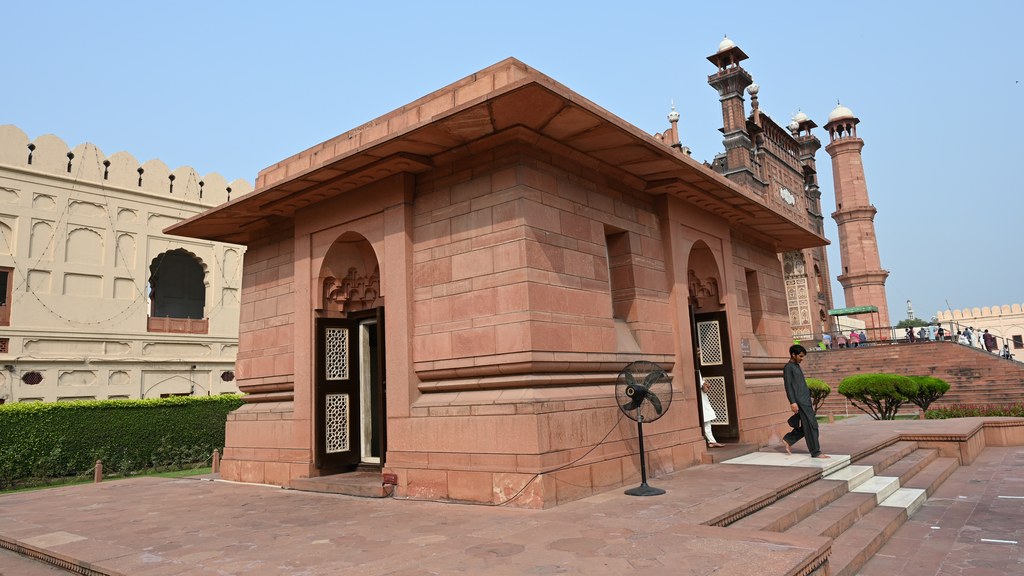
Allama Iqbal's mausoleum in Lahore, beside the Badshahi Mosque (file photo)
Pakistan is marking the 149th birth anniversary of its national poet, Allama Muhammad Iqbal, today, with the government announcing a year-long programme of events leading up to the 150th anniversary next year. The Iqbal Day celebrations began across the country on Monday, a public holiday, with special programmes on radio and television and tributes from the country’s top leadership.
Tributes from the President and Prime Minister
President Asif Ali Zardari, in his message on the occasion, said Iqbal’s words had awakened people to their dignity, their rights and their power to shape their own destiny. He urged young people to draw on the poet’s work to sharpen their critical thinking and spirit of inquiry, and to build a society in which wealth, privilege and inherited status no longer decide a person’s worth. Prime Minister Shehbaz Sharif said Iqbal had awakened political consciousness among the Muslims of the Subcontinent and given them a sense of their distinct national identity — a force that shaped the struggle for an independent homeland.
A year of events ahead
The prime minister announced that the commemorative programme would run from November 9, 2026, to November 9, 2027, culminating in the 150th birth anniversary of the Poet of the East. It will feature international conferences, academic and research seminars, literary festivals, exhibitions, educational competitions and cultural activities, and is meant to carry Iqbal’s philosophy into the education system, national debate and the country’s development priorities.
Schools join in
In Punjab, the School Education Department has declared November the month of “Iqbaliat and Ideology of Pakistan”, with a four-week calendar of activities running in public schools from November 2 to 30, including flag-hoisting ceremonies and Mehfil-e-Iqbal gatherings today.
Iqbal was born in Sialkot on November 9, 1877. Known as the Poet of the East, his philosophy of Khudi — selfhood — remains a touchstone for young Pakistanis nearly a century after his death.