Punjab Assembly passes contentious theatre bill amid opposition protest
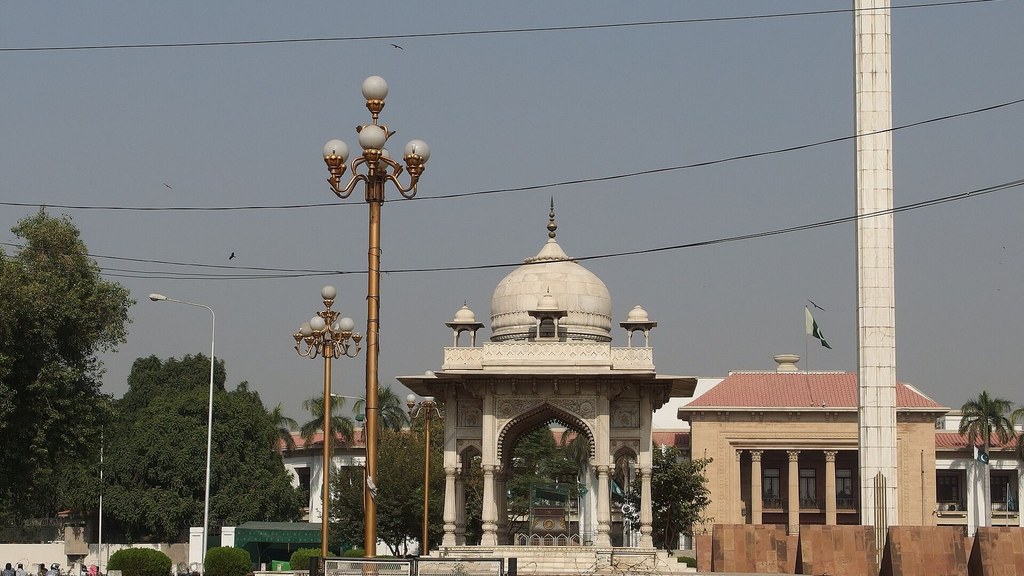
The Punjab Assembly building on Mall Road, Lahore. File photo
LAHORE: The Punjab Assembly on Wednesday passed eight bills by a majority vote, including the contentious Punjab Dramatic and Theatrical Performances Bill 2026. All amendments proposed by the opposition were rejected, and although opposition members pointed out a lack of quorum three times during the sitting, the treasury benches ensured the required attendance on each occasion.
The session, presided over initially by Speaker Malik Muhammad Ahmed Khan, began one hour and 46 minutes behind schedule, and the theatre bill sparked a long and bitter debate.
What the opposition objected to
Opposition members resisted the bill strongly. MPA Waqas Mahmood Maan objected to the mandatory registration requirement and the rule that organisers seek permission 15 days before holding an event, arguing that many artists cannot even afford the registration fees. Another opposition member, Ejaz Shafi, called the legislation a “black law”, warning that heavy fines and compulsory registration would hurt artists and alter the language and culture of traditional performers and folk festivals, or melas. He demanded the bill be referred for public opinion and wider consultation with the artistic community.
The government’s defence
Responding to the criticism, Minister for Information and Culture Azma Bokhari said the government was not banning theatre but regulating it, so that citizens could watch plays alongside their children in a family-friendly environment. She said stakeholders — including producers, actors and actresses — had been consulted over the past year and a half.
Highlighting government initiatives, she noted a 100 per cent increase in the Artist Support Fund, the announcement of a Film Fund, and the ongoing establishment of a Film City in Punjab to provide dignified employment to artists.
Alongside the theatre bill, the House passed seven other pieces of legislation, including amendments to the Provincial Motor Vehicles Act, the Stamp Act, and the laws governing public sector universities and medical universities. The session was then adjourned until 11:30am on Thursday.