Antibiotic misuse blamed for over 200,000 deaths a year in Pakistan
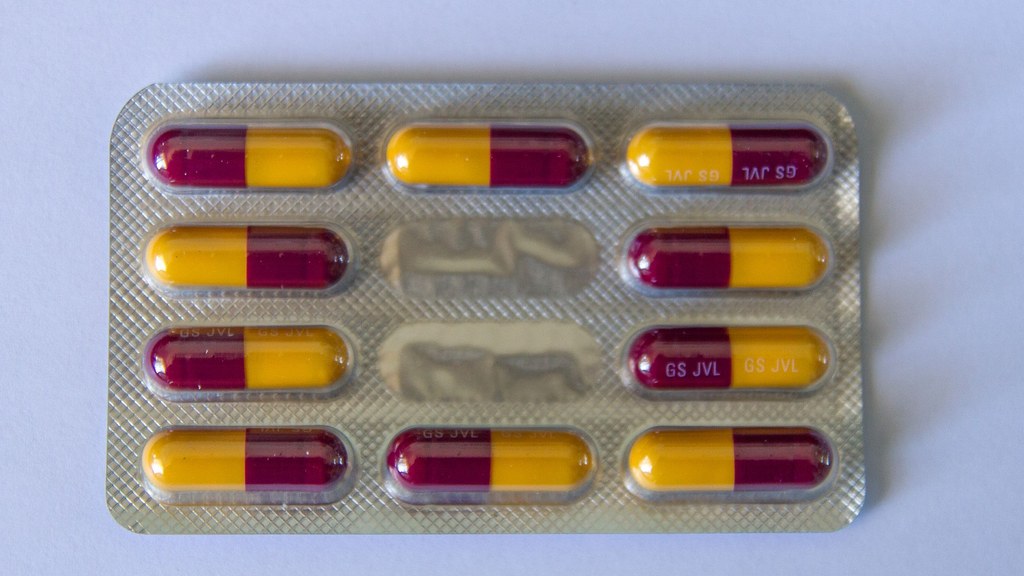
Antibiotic capsules in a blister pack. File photo
ISLAMABAD: The misuse of antibiotics is behind more than 200,000 deaths a year in Pakistan, the National Institute of Health (NIH) and the World Health Organisation (WHO) warned on Tuesday, as they launched World Antimicrobial Resistance (AMR) Awareness Week and urged families and every sector involved to use antibiotics responsibly.
According to figures shared at the launch, antimicrobial resistance is directly responsible for nearly 40,000 deaths a year in Pakistan, with more than 160,000 further deaths associated with it. Without urgent action, experts say, AMR could cause 63,000 directly attributable deaths and 262,000 associated deaths a year in Pakistan by 2050.
Medicines are losing their power
Antimicrobial resistance develops when bacteria, viruses, fungi and parasites stop responding to medicines, making infections harder — and sometimes impossible — to treat. Experts describe it as a silent pandemic that is undoing decades of medical progress and turning once-routine infections life-threatening again.
NIH Chief Executive Officer Dr Muhammad Salman said the crisis was being driven by irrational prescribing, over-the-counter sales of antibiotics, poor infection prevention and control in hospitals and communities, and the misuse of antimicrobials in agriculture and livestock.
These deaths are preventable
WHO Representative in Pakistan Dr Luo Dapeng stressed that the deaths were preventable. “As we speak, before I finish my five-minute remarks, two people will have died due to antimicrobial resistance or associated reasons in Pakistan,” he said. “These deaths are preventable, and WHO stands with Pakistan, the NIH and partners to protect and save lives.”
The awareness walk that opened the campaign carried a blunt message for families and professionals alike: “If we misuse or overuse antibiotics today, they won’t protect us tomorrow.”