Cabinet approves sugar sector deregulation, clearing key IMF benchmark
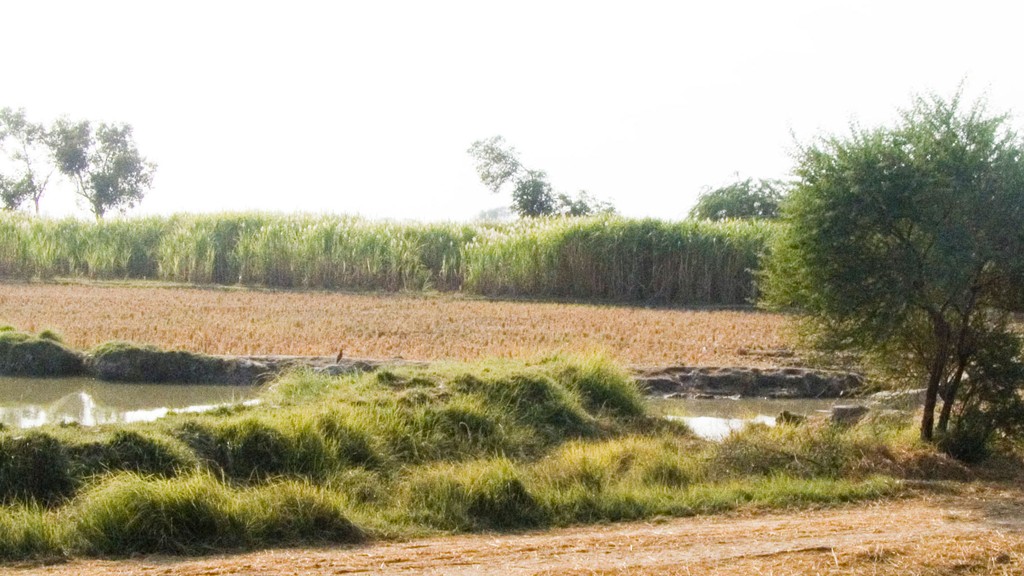
File photo: A sugarcane field in a village in Pakistan. Photo: Rasool Sarang, Wikimedia Commons (CC BY-SA 3.0)
The federal cabinet on Tuesday approved a national policy to deregulate Pakistan’s sugar sector, handing control of cane prices, production and trade to market forces and clearing a long-delayed condition set by the International Monetary Fund.
PM stayed out of the decision
Dawn reported that the cabinet cleared the National Policy for Deregulation of Sugar Sector through circulation, without a formal meeting. Prime Minister Shehbaz Sharif recused himself from the sugar-related decisions because his immediate family owns sugar businesses, sources told the newspaper. The decision came days after the government allowed the export of more than 400,000 tonnes of sugar on Friday, on top of 200,000 tonnes shipped out a few months earlier.
The IMF benchmark and Sindh’s consent
Deregulation of the sugar sector was a structural benchmark under Pakistan’s IMF programme, with a deadline of June 30, 2026. Pakistan had been in breach of it since June, and clearing it was a precondition for scheduling the IMF executive board meeting, now set for December 11. About $1.21 billion in disbursements is tied to that meeting. Approval had been held up by Sindh, which effectively held a veto while the other three provinces had already consented. After backdoor negotiations, Sindh cleared the policy on November 21 with some amendments. A ministerial committee led by Power Minister Awais Leghari finalised the policy, with the finance, food security and economic affairs ministers among its members.
What changes for growers and mills
Under the new policy, cane growers will be free to sell their crop to any buyer and the price of sugarcane will be left to the market. There will be no restriction on setting up new mills or expanding capacity, and millers will be free to choose their raw material sources and make market-based production decisions. Export subsidies end completely and sugar will move freely between provinces. Growers get safeguards in the form of third-party validation of weighing scales, a sucrose testing framework and interest payments on late cane dues, while the sugarcane cess will fund research. Transitional arrangements cover the crushing season already under way, and the government keeps the right to hold buffer stocks. The policy also encourages work towards mandating ethanol blending.