Pakistan Issues Third Tender to Import 800,000 Tonnes of Wheat; Bids Due November 30
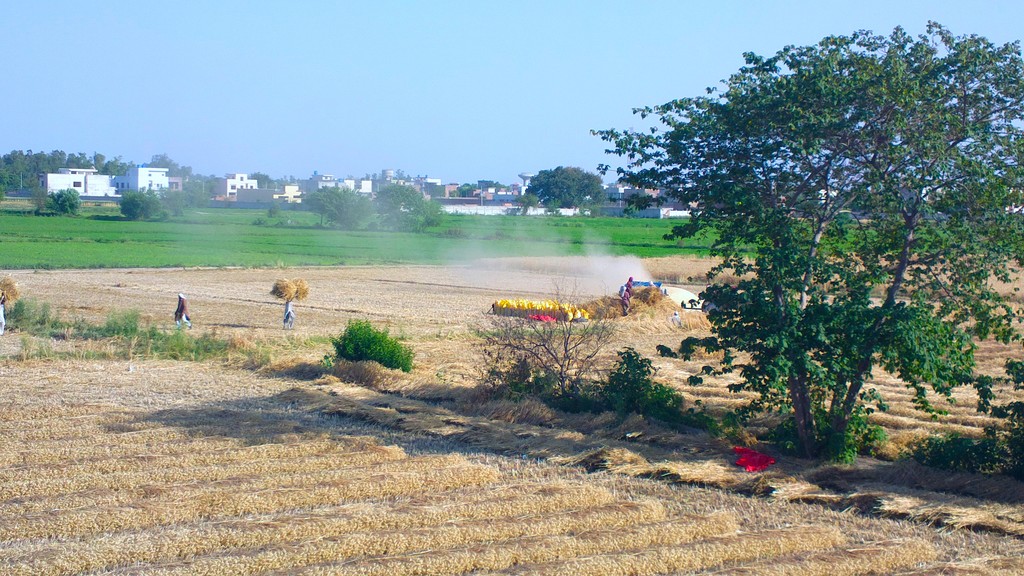
File photo: Wheat being harvested in Punjab, Pakistan. The Trading Corporation of Pakistan has issued its third international tender this year to import 800,000 tonnes of wheat.
ISLAMABAD: Pakistan has issued its third international tender this year to import up to 800,000 metric tonnes of wheat, as the government moves to shore up domestic supplies and keep flour prices in check. The Trading Corporation of Pakistan (TCP) invited international suppliers to bid on Monday, with bids due by November 30.
How the decision was taken
The decision was taken at a high-level meeting on Saturday chaired by Deputy Prime Minister and Foreign Minister Ishaq Dar, where officials reviewed wheat stocks and supply arrangements. The meeting concluded that additional imports were needed to prevent shortages and ease pressure on prices. Under the tender, the wheat must come from the 2026 crop and will be delivered in bulk at the ports of Karachi or Gwadar, with a quantity variation of up to 10 percent allowed either way.
Bids and conditions
Interested suppliers must submit sealed technical and financial bids by 2pm on November 30 at the TCP office in the Finance and Trade Centre on Shahrah-e-Faisal, Karachi. Technical bids will be opened at 2:30pm the same day. Tender documents can be downloaded from the TCP and Public Procurement Regulatory Authority websites until 1:30pm on November 30. Suppliers need at least five years of export experience and must have exported at least 50,000 tonnes of wheat over the past five years.
Delivery schedule
The wheat will arrive in two lots of 400,000 tonnes each. The first lot is to be shipped between December 25, 2026 and January 5, 2027, and the second between January 6 and 15, 2027, with all 800,000 tonnes to reach the ports by February 15, 2027. Late delivery carries a penalty of 25 US cents per tonne per day. Wheat from India, Israel and other banned countries is prohibited under the tender, and the grain must meet quality standards of no more than 14.5 percent moisture, at least 10 percent protein and at least 23 percent wet gluten.