DRAP told to revise 52 drug pricing proposals as flu vaccine prices come under question
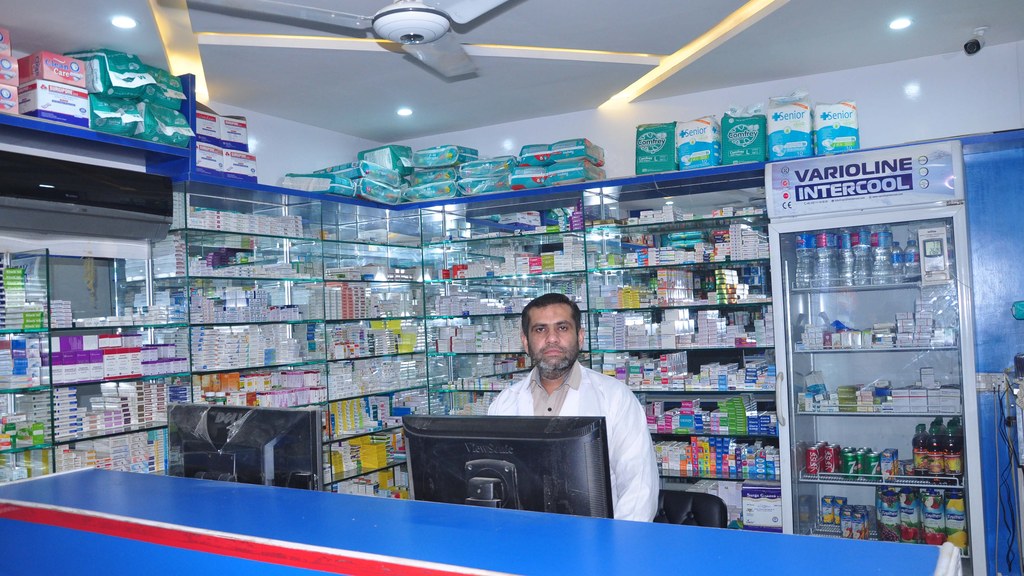
A pharmacy in a Pakistani hospital (file photo: Asaaf Hospital pharmacy, Wikimedia Commons, CC BY-SA 4.0). The DRAP pricing review covers 52 proposals, including flu vaccines.
ISLAMABAD: Pakistan’s drug regulator has been told to go back over 52 drug pricing proposals after a detailed review found flaws in the calculations and reference costs behind them. The direction follows an examination ordered by Prime Minister Shehbaz Sharif, and it puts the proposed prices of seasonal flu vaccines under fresh scrutiny as well.
Federal Minister for Climate Change Dr Musadik Malik, who was asked by the prime minister to review the proposals, said his team held several rounds of discussions with officials of the Drug Regulatory Authority of Pakistan (DRAP), working through the assumptions, reference prices and calculations used to fix each proposed maximum retail price (MRP).
What the review found wrong
Of the 52 proposals, 42 do not concern entirely new medicines. They relate to new strengths of drugs already available in Pakistan, which still need separate price approvals. In some cases, the review team found reference prices that were inappropriate or insufficiently verified; in others, the formula for pricing different strengths of an existing drug had not been applied correctly; and in some, the prices of already registered generics had not been properly taken into account.
Malik said that applying the relevant provisions of DRAP’s own pricing policy produced substantially lower prices in some cases, while others still needed verification of the reference product or alignment with established generic prices. The point, he stressed, was not arbitrary price cuts, but accurate calculations, verifiable information and consistent application of the government’s approved framework.
Flu vaccines in focus
The review also looked separately at the proposed higher prices of seasonal influenza vaccines, including those marketed by multinationals Abbott and Sanofi. The team found that the landed cost in the latest shipment was considerably lower than the proposed retail price, raising questions about the justification for the increase.
The timing matters for patients. Because of the continuing dispute over approval of their revised prices, the two companies’ influenza vaccines have not reached the Pakistani market this season. Malik said the latest import-cost information needed to be properly reflected in the pricing assessment, since the lower landed cost suggested room to bring the proposed price down without undermining the product’s commercial viability.
What happens next
DRAP has been asked to revisit the identified discrepancies and submit revised recommendations on the criteria discussed and agreed during the review. Once that work is done, the recommendations will move through the prescribed process for final approval by the federal cabinet.
Malik emphasised that the process should conclude without unnecessary delay, particularly where pending price approvals are affecting the availability of medicines and vaccines. Accurate and transparent pricing, he said, protects patients from unnecessarily high medicine costs while recognising legitimate costs faced by manufacturers and importers, from exchange-rate movements and inflation to changes in international reference prices.