ECP proposes AI deepfake rules for elections, barring parties from deceiving voters with fake videos and trends
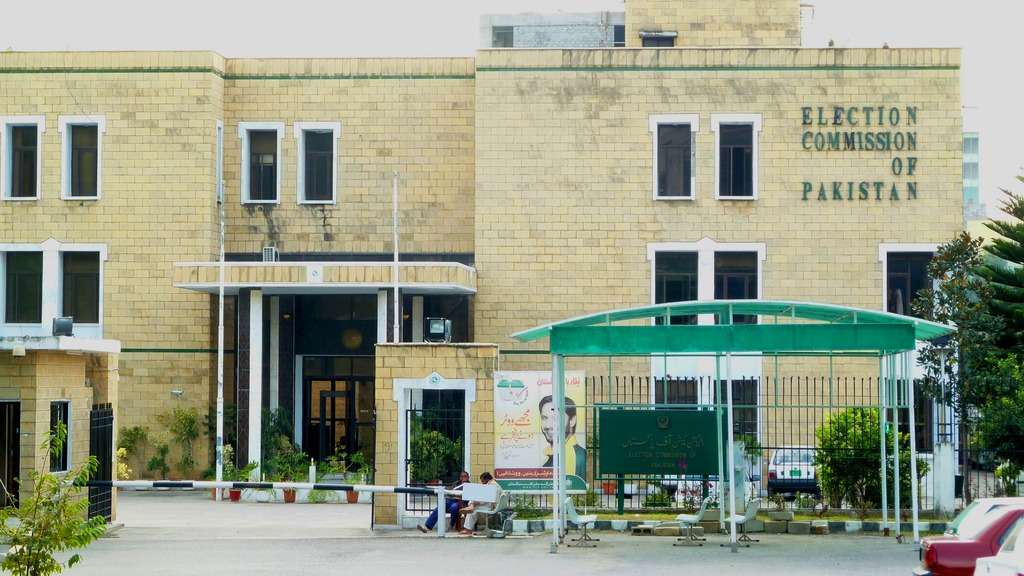
فائل فوٹو: اسلام آباد میں الیکشن کمیشن آف پاکستان کی عمارت — Wikimedia Commons (وائس آف امریکہ، پبلک ڈومین)
Proposal: Draft amendments to the codes of conduct for political parties, media organisations and election observers
Feedback deadline: November 20, 2026, to the ECP Secretariat in Islamabad
Aim: Stop voters being misled by fake videos, cloned voices and manufactured online support
ISLAMABAD: The Election Commission of Pakistan has proposed a set of rules that could change how election campaigns are fought. Draft amendments to the codes of conduct for political parties, media organisations and election observers would bar parties from circulating AI-generated or manipulated material that misleads voters, and require any AI campaign content to carry a clear label. The draft has been published on the commission’s website, and stakeholders have until November 20, 2026 to send their feedback to the ECP Secretariat in Islamabad.
What parties would be barred from doing
Under the proposed rules, political parties, candidates, election agents and their supporters would not be allowed to create or spread AI or altered material that deceives voters about its authenticity, or that falsely portrays a person’s words, actions or appearance. Campaign material generated or substantially changed with AI — deepfake photographs, videos, audio clips and synthetic voices included — would have to carry a clear and prominent disclosure identifying it as AI-generated or AI-assisted.
The draft strictly prohibits using deepfake technology to fabricate false, derogatory or defamatory images, voices or statements of candidates, party leaders, their supporters, election officials, members of the judiciary, armed forces personnel and other state functionaries. Parties would also be barred from using AI bots and automated accounts to manufacture trends, likes, comments, shares and followers designed to create a false impression of public support. Where AI is used for voter outreach through robocalls or voice-cloned messages, the call would have to disclose at the very start that the content was AI-generated, and parties would have to keep records of all AI content used during the election period and hand over full details when the commission asks for them.
What media and observers must do
The draft brings media houses into the same frame. Any AI-generated or modified election content would have to be clearly labelled when it is broadcast, published or shared. Newsrooms could still use AI for preparing, translating, presenting or analysing election content, but they would have to tell their audiences and remain responsible for the accuracy of the material. Pemra, the Social Media Protection and Regulatory Authority and the National Cyber Crime Investigation Agency would monitor undisclosed or unlabelled AI content and report violations to the commission.
Election observers, meanwhile, would have to stay alert for AI-generated or manipulated content during their observation, and report anything they spot promptly to the commission without passing it on further. They would also be barred from using AI tools to fabricate, alter or embellish their own observations, findings, photographs, videos or reports — what they file must reflect what they genuinely saw first-hand.
Why the commission says it is acting
The commission says its constitutional responsibility is to ensure elections are conducted honestly, justly and fairly, and to guard against corrupt practices — including manipulation of the electoral process through misleading AI content. AI is already part of campaigning, the argument runs, and without clear rules for its use, voter trust cannot be protected. All eyes are now on the November 20 feedback deadline, after which these proposals could take final shape.