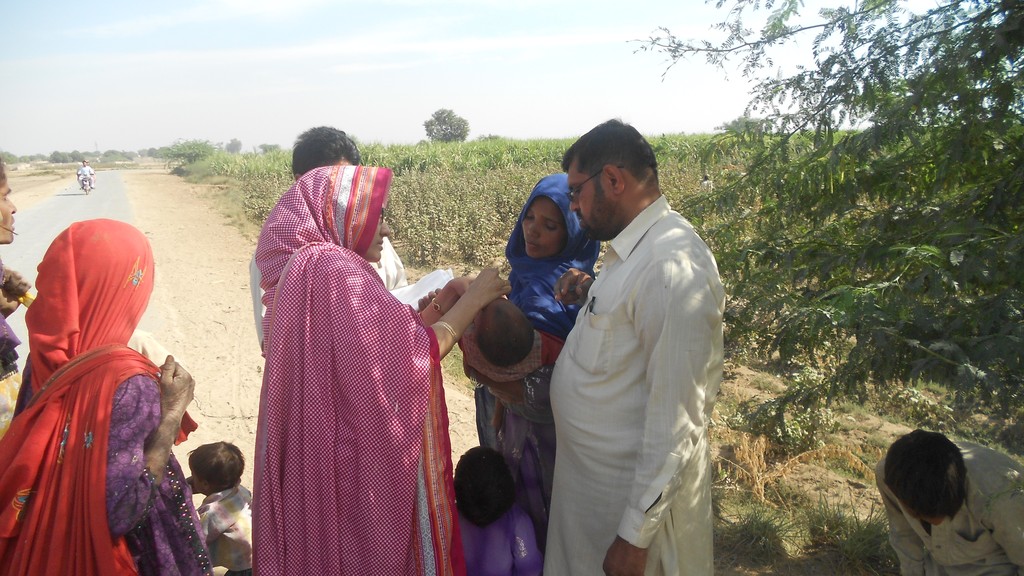
Genetic diseases go undetected in Pakistan, experts warn
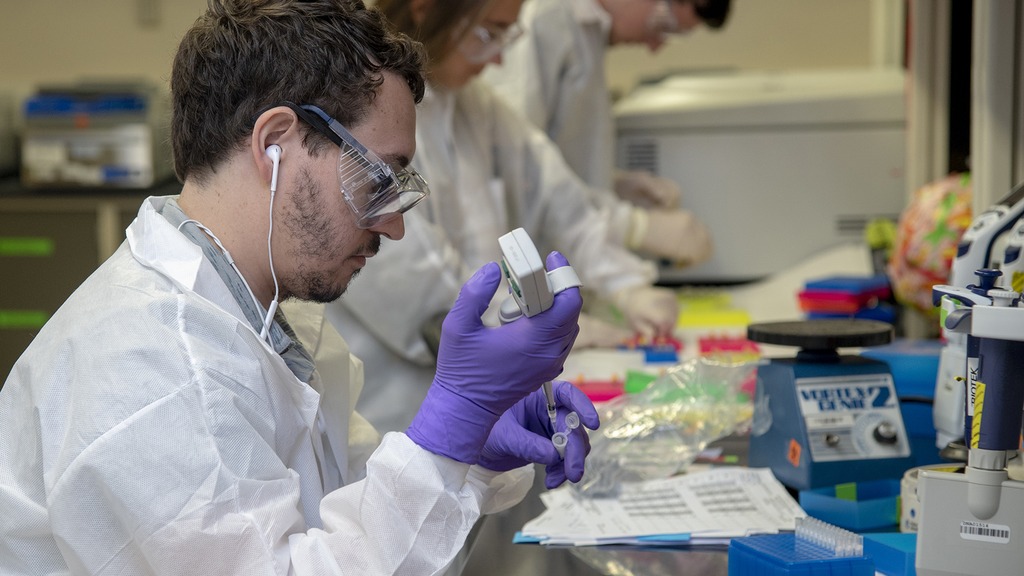
Analysts place DNA samples into cartridges in a genetics laboratory. The Islamabad summit heard that genetic testing in Pakistan is out of reach for nearly 99 per cent of the population. File photo: US Air Force Staff Sgt. Nicole Leidholm / public domain
ISLAMABAD: Hundreds of families in Pakistan are struggling to get a proper diagnosis, specialist treatment or financial support for children with inherited disorders, medical experts warned at a one-day health summit in Islamabad on Friday. With no national-level institution to deal with genetic diseases, conditions such as spinal muscular atrophy (SMA) often go undetected altogether.
No safety net, and more patients than before
Dr Salman Kirmani, a medical geneticist at Aga Khan University Hospital, said there was no national or community-level support system for parents of children with SMA. While the government spends heavily on polio eradication, he said, genetic disorders such as SMA receive far less attention — even though they are now more common than polio. Dr Farhan Ali, a consultant paediatric neurologist at Frontier Corps Teaching Hospital in Peshawar, said SMA cases were becoming more common in his practice: where he used to see one or two patients a month, he now sees three or four. He told the summit about a woman from Bajaur who had lost three children she believed had pneumonia — further examination showed they had actually suffered from SMA.
The cost families carry, and tests they cannot afford
Haris Tariq, the father of a four-year-old girl with SMA, said arranging funds for treatment was enormously difficult, with even a few doses of medication costing millions of rupees. He said a lack of public awareness meant families were criticised for seeking donations, while few understood the lifelong nature of the disease and its financial burden. Yasir Khan, chief executive of the Strive Eradication of Disability Foundation, said genetic testing and treatment were so expensive that nearly 99 per cent of the population could not afford them. Dr Fizza Akbar, a genetic counsellor at Aga Khan University Hospital, said around 60 per cent of marriages in Pakistan took place within families, raising the risk of inherited disorders — when both parents carry a genetic condition, there is a 25 per cent chance of their child inheriting it. Dr Kirmani added that prenatal testing could identify certain genetic conditions within 120 days of pregnancy.
What the experts are asking for
Dr Jawad Hassan, a molecular geneticist at Shifa International Hospital, said genetic disorders often resulted in disability and needed specialised, multidisciplinary care, available only at a handful of tertiary-care hospitals in Pakistan. The summit called on the government to make genetic screening affordable and widely available, expand early diagnosis and specialist services, and draw up a coordinated national policy for inherited diseases.