
Houthi missile strikes Riyadh’s tallest tower, damaging seven to eight floors
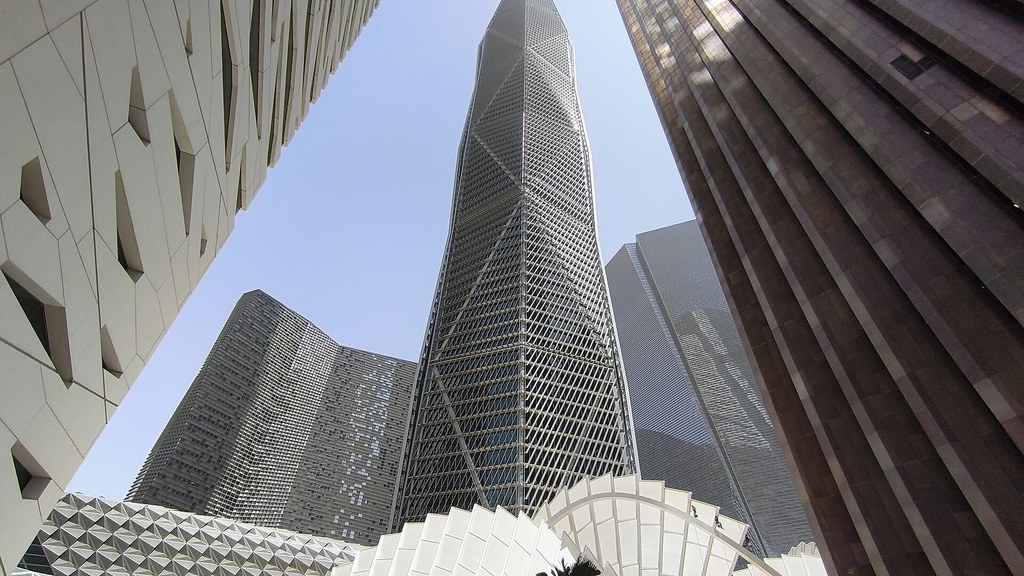
The PIF Tower in Riyadh's King Abdullah Financial District. File photo
RIYADH: A missile fired by Yemen’s Houthi group struck the PIF Tower in Riyadh on Thursday, hitting the Saudi capital’s tallest building. Saudi Civil Defence said the attack blew out windows across seven to eight floors and bent sections of the tower’s metal facade. No one was injured. Entrances to the King Abdullah Financial District were closed, and the district itself was shut to visitors.
The PIF Tower stands 80 storeys high and 385 metres tall, and it houses the headquarters of Saudi Arabia’s sovereign wealth fund, the Public Investment Fund. A photograph released by the Saudi Press Agency identified the building, while Civil Defence said nearby buildings were damaged too. Ambulances and fire trucks reached the scene, and people were evacuated from the tower.
The Houthis claimed responsibility for the attack. Their military spokesman, Yahya Saree, said the group had targeted Riyadh’s financial district twice on Thursday — first before dawn and again later in the day. The Saudi-led coalition said it had dealt with a missile threat launched towards Riyadh, intercepted several ballistic missiles fired towards the southern region, and destroyed a launchpad used in the attacks.
Second strike on the financial district in under two weeks
It is the second time in less than two weeks that a landmark in Riyadh’s financial district has been damaged by a Houthi attack — the state oil company Aramco’s building was hit on 8 November. Since fighting reignited in Yemen, the Houthis have stepped up strikes on Saudi airports, energy infrastructure and commercial buildings. An attack on Riyadh’s King Khalid International Airport in October killed 14 people.
Saudi Arabia vows a response
Saudi Arabia’s Foreign Ministry condemned the attack and said the kingdom reserved the right to take “all necessary measures” to defend its sovereignty and protect its citizens and national assets. Civil Defence described the targeting of civilian infrastructure as a violation of international humanitarian law.