
Norway brings back printed textbooks as screens leave classrooms after literacy slide
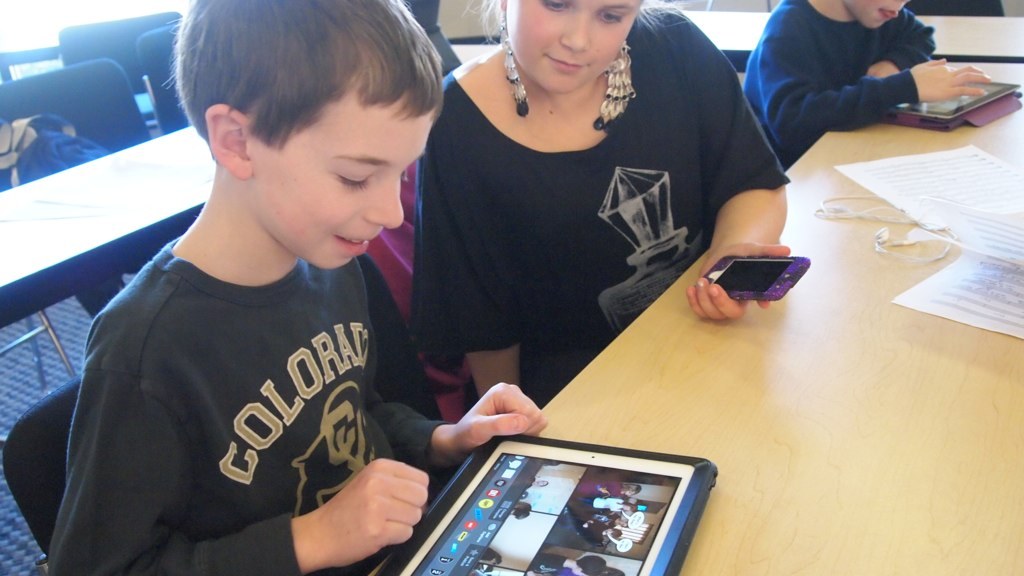
File photo: Schoolchildren using a tablet in a classroom — Norway is rethinking screen use in schools.
Norway is taking screens out of classrooms and bringing printed textbooks back. After nearly twenty years of pushing computers and tablets into schools, the government now accepts that children’s reading and writing skills have fallen sharply, and that the heavy use of screens may be part of the reason.
Three years ago, a Norwegian primary school teacher, Pal Ludvig Finstad, was given a written warning for putting his pupils’ iPads aside and returning to pen and paper. He said his pupils were struggling with reading and writing and urgently needed a different approach. Today, that same decision is becoming national policy. The Oslo municipality has dropped its requirement that primary schools provide every pupil with a digital device, a rule in place since 2023.
The numbers changed the policy
In the 2025 PISA survey, Norwegian 15-year-olds scored below the OECD average in reading, mathematics and science at the same time — the first time that has happened in all three areas since 2006. A Norwegian commission on screen use reported in 2024 that students generally understand long texts better when they read them on paper. Digitalisation Minister Torgeir Micaelsen told AFP there was reason to believe screens were introduced into schools too quickly, before there was enough knowledge about their effects and about good pedagogical use of digital devices.
Books in law, phones under rules
The government now wants to enshrine pupils’ access to printed textbooks in law, regulate mobile phone use in schools, and introduce artificial intelligence into the curriculum only gradually. A bill banning platforms such as TikTok, Snapchat and the gaming platform Roblox for children under 16 is expected by the end of this year, and camera-equipped smart glasses may be temporarily banned in public places such as parks, beaches and schools over privacy concerns. “The screen itself is not the problem,” primary school principal Silje Ween told AFP. “Just as a book is a useful and absolutely necessary tool, an iPad can be as well, but one does not exclude the other.”