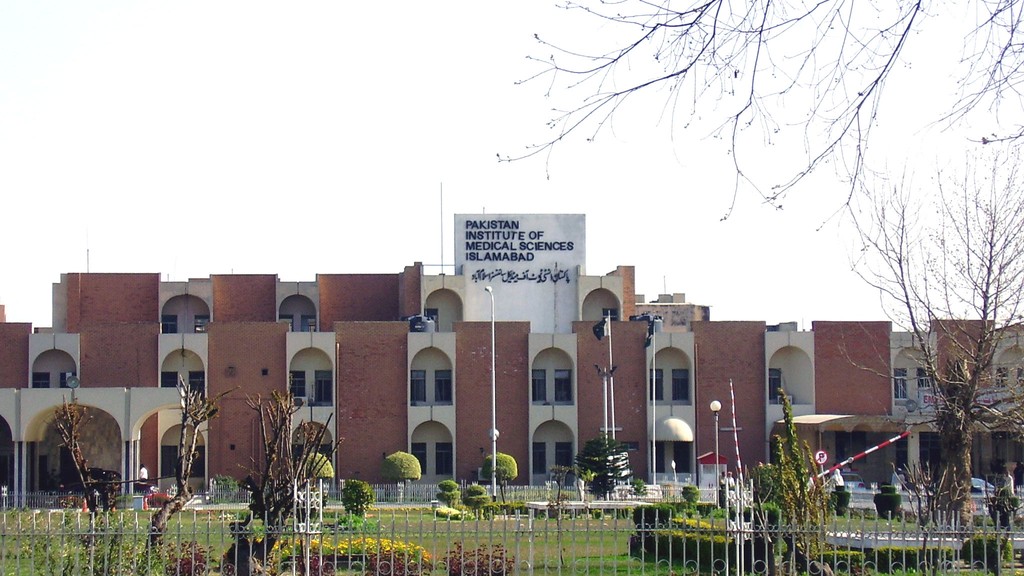
Pakistan to launch first national diabetes prevention programme this month, mosque-based screening model to follow
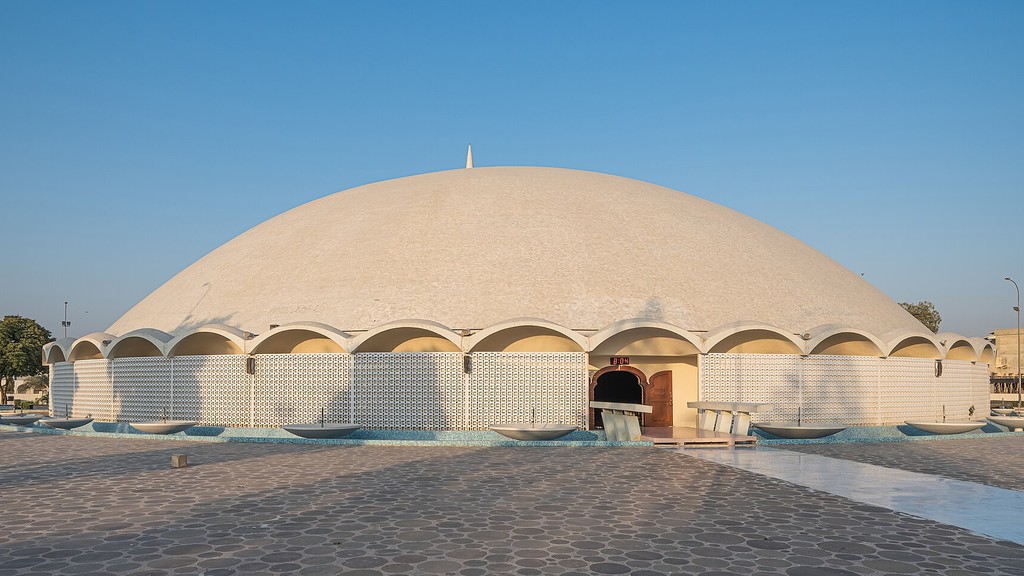
File photo of Tooba Mosque, Karachi. A mosque-based diabetes screening model is to be introduced across Pakistan. (Photo: A. Savin, Wikimedia Commons)
Pakistan is set to launch its first-ever national diabetes prevention and control programme this month, starting in the federal capital, Islamabad, in cooperation with the federal health ministry. The announcement was made at a scientific conference organised by the Diabetes Association of Pakistan in Karachi on Sunday, held under the theme “Early Action on Diabetes” to mark World Diabetes Day.
A three-to-five-year programme
Professor Dr Abdul Basit, secretary general of the Diabetes Association of Pakistan, said the programme had been developed by experts in collaboration with the health ministry, on the directions of the prime minister. It will be implemented over three to five years, with public awareness and early risk assessment through the RAPID Score as its initial priorities. Later phases will focus on setting up diabetes prevention, diagnosis and treatment facilities across the country.
The one-day conference drew diabetes experts and physicians from across Pakistan and abroad.
A mosque-based model, bound for 57 OIC states
Dr Basit also announced that a mosque-based diabetes awareness and screening model, successfully implemented in Bangladesh, will be introduced in Pakistan early next year and then rolled out across all 57 member states of the Organisation of Islamic Cooperation.
Explaining the Bangladesh model, he said it began with 100 mosques, where imams and women from their families were educated about diabetes prevention. Screening facilities were arranged outside mosques for men and in designated adjoining rooms for women. Research on the initiative showed a reduction of up to 42 per cent in new diabetes cases in the targeted areas over one year. Following those results, the campaign was expanded to about 300,000 mosques in Bangladesh, reaching an estimated 20 to 40 million people every Friday.
A grant application has been submitted to the Higher Education Commission to implement the project in Pakistan, with a decision expected within two to four months. Dr Basit said, however, that the initiative would be launched in early 2027 even if the grant was not approved, using personal resources. Details of the committee formed to oversee the programme will be announced within the next one to two weeks.
Three-stage screening for pregnant women
Dr Shabeen Naz Masood, vice president of the association, warned that about one in three Pakistanis was affected by diabetes. She stressed blood glucose screening before and during pregnancy to protect both mothers and children, recommending a three-stage protocol: the first test before pregnancy or in the initial months after pregnancy is confirmed, the second between 22 and 24 weeks, and the third between 34 and 36 weeks. She said the third screening was particularly important for Pakistani and other Asian women, warning that without timely diagnosis and treatment, affected women faced an increased risk of developing permanent Type 2 diabetes within three to four years.
Dr M. Zaman Sheikh, the association’s vice president for academics, called diabetes a silent killer, saying the disease could remain undetected for eight to ten years without noticeable symptoms. He urged patients to build regular exercise and weight training into their daily routines from the first day of diagnosis, alongside prescribed medication.
Technology and collective effort
Iram Ghafoor, representing the International Diabetes Federation, highlighted continuous glucose monitoring technology, which provides glucose readings every three to five minutes without repeated finger-prick testing, helping people with prediabetes avoid progression to full-blown diabetes.
Addressing another session of the conference as chief guest, Sindh Governor Syed Muhammad Nehal Hashmi said collective efforts were essential to building a healthy society. Prevention, he said, was better than cure, and diabetes was not merely a medical condition but a challenge demanding greater awareness, prevention and a sense of collective responsibility.
The prime minister had announced a Rs6.8 billion allocation for the programme in his World Diabetes Day message, while the International Diabetes Federation estimates that 34.5 million adults in Pakistan were living with diabetes in 2024, more than a quarter of them undiagnosed.