Pakistan declares rapid population growth a national emergency
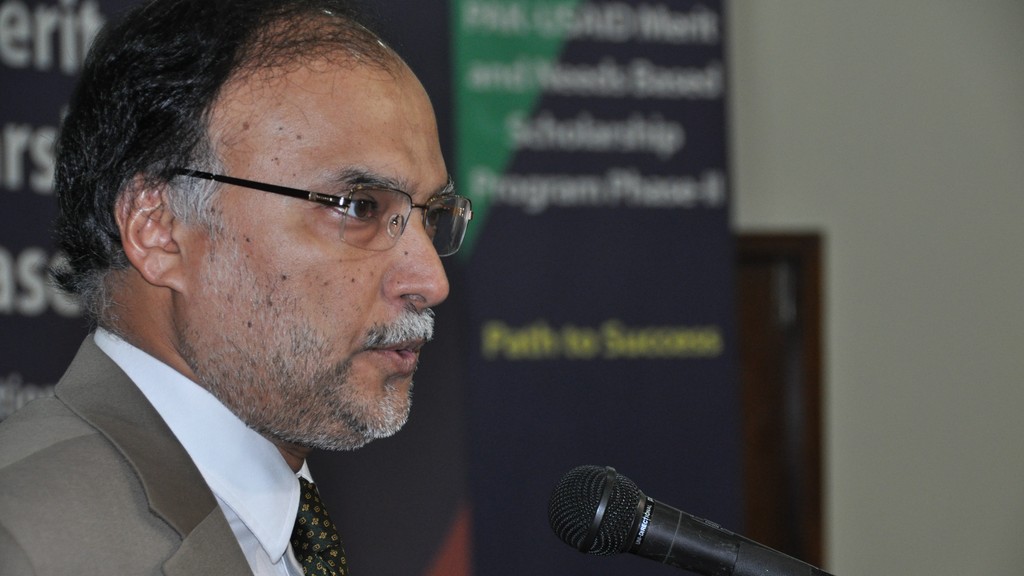
Federal Minister for Planning Ahsan Iqbal speaking at an event. (File photo)
ISLAMABAD: Pakistan has declared its rapidly growing population a national emergency, with the first meeting of the Executive Committee of the National Population Council agreeing on Thursday that the trend demands urgent and coordinated action. The meeting, held at the Planning Commission, was co-chaired by Planning Minister Ahsan Iqbal and Health Minister Mustafa Kamal, and brought together federal ministers and secretaries, provincial and regional ministers, and senior officials from all four provinces, Azad Jammu and Kashmir and Gilgit-Baltistan.
A reversal after decades of decline
Iqbal told the meeting that the population growth rate had fallen gradually since 1980 to 2.4 per cent, but rose again to 2.55 per cent in the 2023 census — a reversal he called a matter of serious concern. “We have taken our foot off the brake and put it on the accelerator. This trend must be reversed,” he said. Population figures, he added, were not mere statistics: they were directly tied to the country’s future, the well-being of its children and the sustainability of national resources.
What it costs the economy
The minister explained that if the economy grew by 5 per cent while the population rose by 2.5 per cent, per capita growth would be just 2.5 per cent. Unchecked growth, he warned, would make it steadily harder to provide education, healthcare, jobs and basic facilities. The 2023 census put Pakistan’s population at 241.49 million; at the current rate it is projected to pass 386 million by 2050.
Linking the NFC award to progress
Iqbal pointed to a contradiction in the National Finance Commission award, which gives population an 82 per cent weight in dividing resources among the provinces — in effect rewarding population growth. He proposed linking the award to development and sustainability indicators, so provinces that keep population growth in balance are encouraged. The committee also reviewed the draft National Health and Population Policy and the National Population Stabilisation Programme, and asked the provinces to set up provincial population councils and executive committees and prepare costed implementation plans.
Birth spacing and mothers’ health
Alongside the meeting, the Population Council and the United Nations Population Fund held a consultative dialogue on healthy birth spacing, bringing together religious scholars, health experts and policymakers. Dr Ali Mohammad Mir, the Population Council’s country director, said a mother dies in Pakistan every 37 minutes, and religious leaders could play a transformative role in guiding families towards informed decisions.