PTA finalises in-flight internet licence framework for Pakistani aircraft
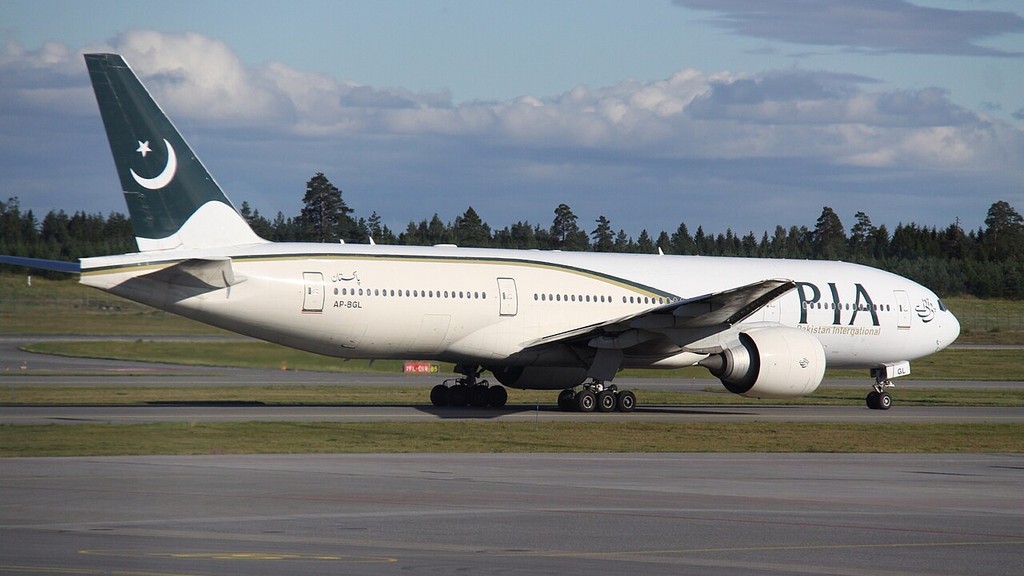
File photo: a PIA Boeing 777. The PTA framework covers Pakistani-registered aircraft.
ISLAMABAD: The Pakistan Telecommunication Authority has finalised the licensing framework for satellite-based in-flight internet and telecom services, clearing the way for Pakistani airlines and private aircraft to offer connectivity to passengers inside the country’s airspace. Announcing the framework in a press release on Tuesday, the authority said in-flight internet would improve the passenger experience, from entertainment and personal communication to work done in the air.
What the licence requires
Under the framework, companies that want to provide the service must first register with the Pakistan Space Activities Regulatory Board and meet the PTA’s licensing requirements. The licence fee is $10,000 and it is valid for 10 years. The service will be available only when the aircraft is flying at least 3,000 metres above ground level.
Data stays inside Pakistan
Providers will have to use Fixed Satellite Gateway Earth Stations deployed within Pakistan’s borders, and all internet and telecom traffic must be routed through them. All user data generated, stored or processed will remain inside the country. Companies must also buy international IP bandwidth from a Long Distance and International licensee in Pakistan, use the radio spectrum under the Frequency Allocation Board’s rules, and comply with the Civil Aviation Authority’s safety standards.
Foreign aircraft passing through Pakistani airspace will also need a no-objection certificate from the PTA, as will aircraft that stay in Pakistan for less than four weeks.
No satellite operator providing satellite-based internet is currently registered with the space activities board, and the authority has not said when any airline will switch the service on, or what passengers will be charged. The PTA published a draft of the framework on 6 May 2026 and sought public comments until 31 May, before issuing the final version now.