Pakistan LNG Imports Collapse: Only Two Qatari Cargoes Arrive in October Against Eight Last Year
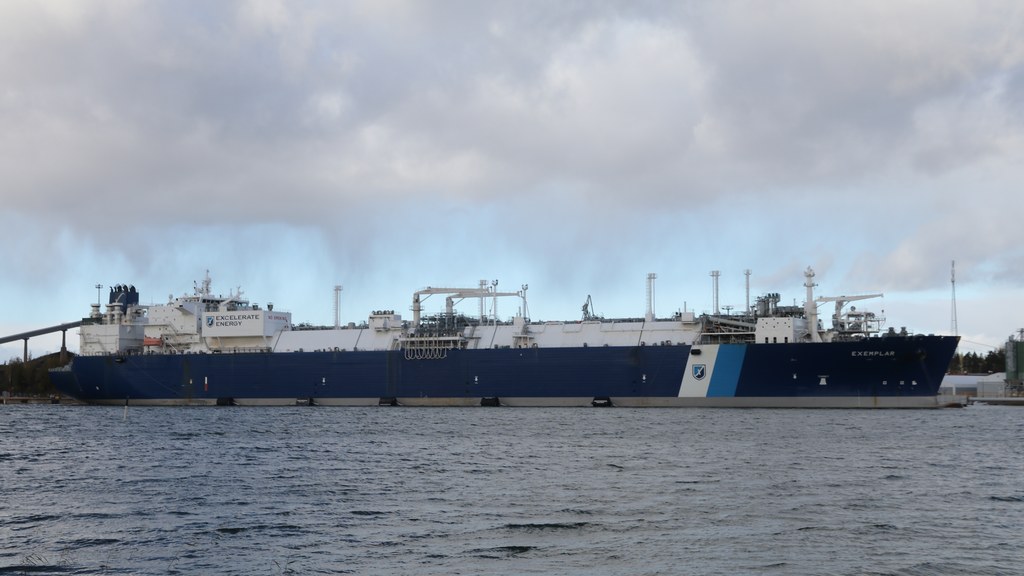
ISLAMABAD: The gas picture is turning grim well before winter arrives. Pakistan LNG imports from Qatar shrank to just two cargoes in October, compared with eight in the same month last year. The second vessel, Ejnan, berthed at the Pakistan GasPort terminal this week and restarted a facility that had sat idle since October 9 for want of gas. The month’s first cargo had docked at Engro’s terminal on October 13.
Not a one-month dip
OGRA figures tell a longer story. Between March and October, Pakistan received only 20 LNG cargoes in total — 13 under its long-term contracts with Qatar and seven bought on the spot market. Over the same period last year, the count was around 72. In September, electricity generation from LNG fell 56 percent as power producers were pushed onto alternative fuels.
There is one upside to importing less, and it is an uncomfortable one: the bill is smaller. Pakistan Bureau of Statistics data puts the LNG import bill at $418 million for the first quarter of this fiscal year, down from $716 million a year earlier. But households and industry are paying for that saving in shortages. Ministry of Energy sources put contracted Qatari gas at roughly $14 to $15 per MMBtu, while spot-market LNG can cost as much as $30 — which is why every missed cargo matters.
What happens next
QatarEnergy has kept a force majeure in place since an attack on its Ras Laffan facility in March, most recently extended to November 6. Against that, winter demand is about to climb: Sui Northern’s requirement is projected to rise from 500 to 1,550 mmcfd, and Sui Southern’s from 300 to 500 mmcfd. Two cargoes cannot bridge a gap of that size. The real test comes in December and January, when the temperature drops and every home heater competes for the same shrinking supply.