Gabd-Rimdan border reopens as Pakistan-Iran trade resumes and LPG trucks roll again
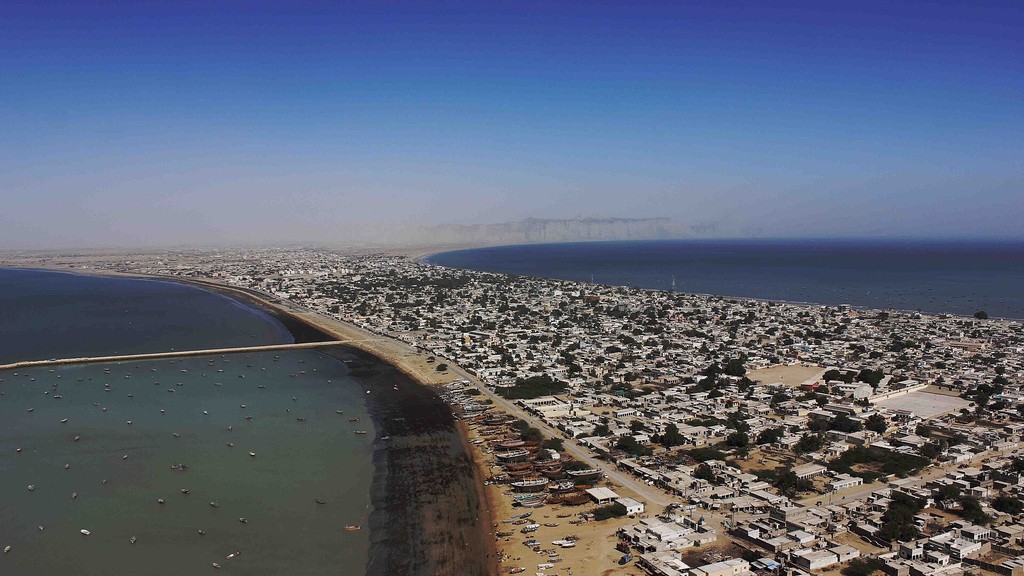
Gwadar port — the flagship of the China-Pakistan Economic Corridor (file photo)
Pakistan reopened its border crossing with Iran at Gabd-Rimdan on Saturday morning, restoring bilateral trade after a suspension that had lasted a full week. For the traders and truck drivers who had been stranded on both sides since October 17, it was the news they had been waiting for — and for households paying inflated prices for cooking gas, it could not come soon enough.
Mir Naveed Jan Kalmati, president of the Gwadar Chamber of Commerce and Industry, confirmed that import and export vehicles began moving on Saturday morning. The resumption, he said, would bring immediate relief to traders and transporters stuck on both sides, and the restored supply chain should help ease a nationwide LPG shortage and bring down soaring energy and food prices.
Which vehicles can cross
For now, border officials are clearing commercial consignments that hold a consignment note dated October 16 or earlier. The crossing, known as Gate 250, sits in Gwadar district and is one of Pakistan’s main trade arteries with Iran.
Security stepped up after Thursday’s attack
Before the gates reopened, local administrators reviewed the security situation and deployed additional forces to protect trade convoys. The precaution follows an attack on Thursday, when unidentified gunmen targeted the backlog of freight vehicles parked near the closed crossing, setting dozens of trucks ablaze and damaging several others. Those trucks had been stranded there since the closure began.
Why trade stopped in the first place
On October 17, Pakistan’s Ministry of Commerce abruptly withdrew an October 3 trade order with immediate effect, halting trade at both Gabd-Rimdan and Taftan. No reason was given in the memorandum itself. The Balochistan government later described the closure as a security and anti-smuggling measure, while Iran’s foreign ministry attributed the disruption to technical issues.
How bad the LPG crunch had become
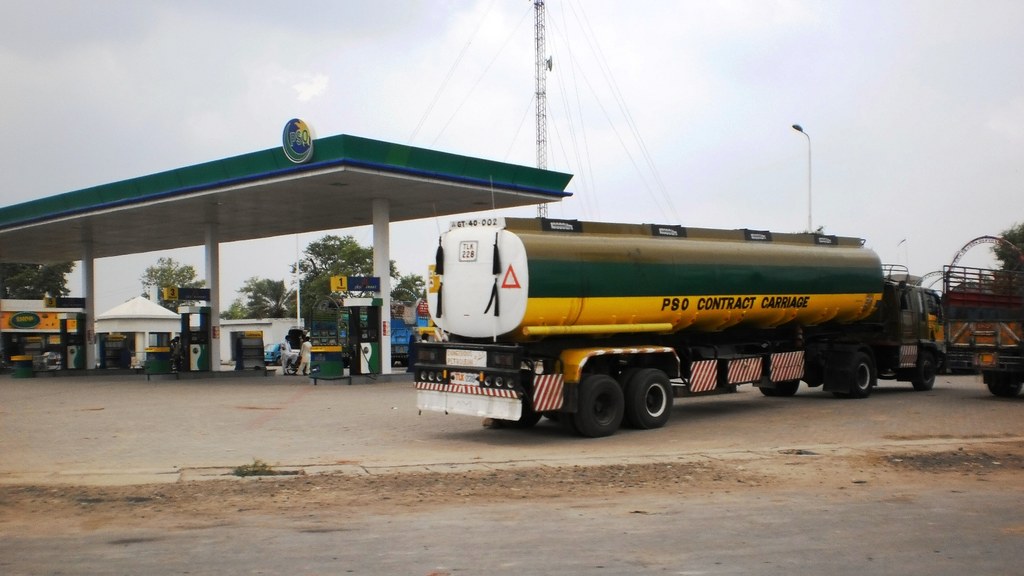
The stakes were high. Pakistan imports about 7,000 metric tons of LPG a day from Iran, and more than 4,000 tons of that comes through Gabd-Rimdan alone. Within days of the closure, the price of a 12kg cylinder had jumped from Rs4,500 to Rs7,000, reaching Rs8,200 in Skardu. More than 1,000 Pakistani containers carrying potatoes, bananas and rice for Iran were also stranded, and perishable exports had only partially resumed mid-week.
Traders now expect the backlog to clear gradually. A week’s worth of disrupted supply will not unwind overnight, but with the gates open again, the worst of the shortage should start to ease.