Pakistan’s food supply falls short of its own dietary guidelines as over 60% cannot afford a healthy diet, FAO finds
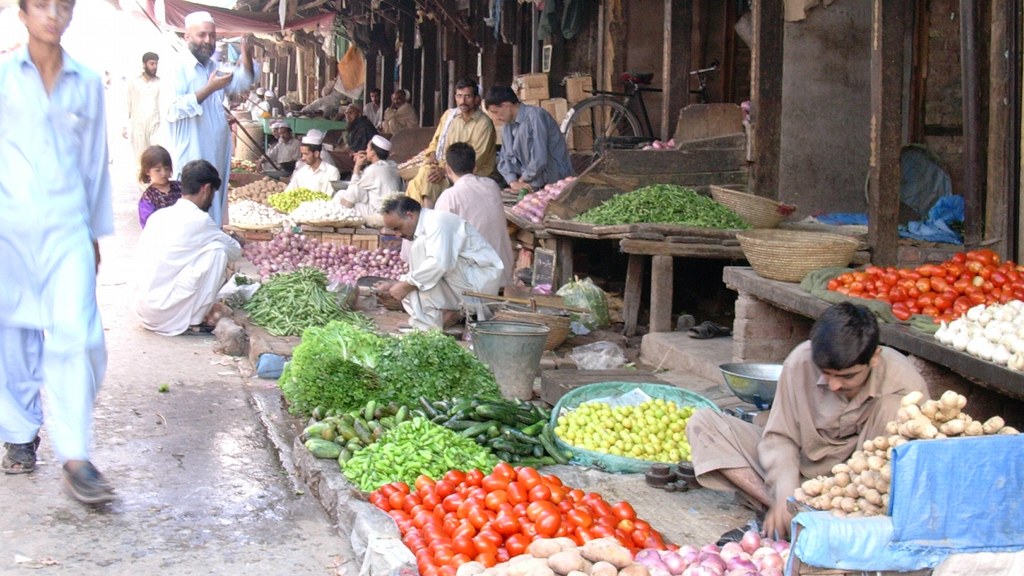
ISLAMABAD: Pakistan does not have a shortage of food. It has a shortage of balance. That is the blunt message of an assessment by the United Nations Food and Agriculture Organization (FAO): the country produces plenty of calories, but the foods a healthy diet actually requires keep falling short in the market. The result, the agency says, is that more than 60% of Pakistanis cannot afford a healthy diet at all.
The assessment comes from the FAO’s September 2026 policy brief, “Food Supply for Healthy Diets in Pakistan”, which measured the country’s annual food supply against its national Food-Based Dietary Guidelines across ten food groups from 2010 to 2023. The pattern it found was not a one-year blip. The shortfalls in nutritious food groups persisted year after year — and in several cases, they grew.
The vegetable and fruit gaps are the widest
Vegetables tell the starkest story. The estimated gap between what Pakistanis need and what is available rose from between 10.9 and 17.8 million tonnes in 2010 to between 13.0 and 21.6 million tonnes in 2023. Fruit followed the same direction, with its gap widening from 1.9–10.3 million tonnes to 3.9–14.3 million tonnes over the same period. Roots and tubers, and legumes and pulses, stayed short throughout. Meanwhile cereals and grains were consistently supplied above what a healthy diet requires, sugar stayed above recommended levels for most years, and meat, poultry and eggs moved from the lower end of requirements in 2010 to a surplus of about 2.5 million tonnes by 2023. Milk and fats and oils improved, but not nearly enough to close the overall gap.
These are not abstract figures. Pakistan’s population grew from 189.3 million in 2010 to 235.2 million in 2023 and is projected to reach roughly 330 million by 2050. If production does not change direction, more people every year will be left eating diets that are filling but poor in nutrition — and climate change, the FAO warns, will strain production and distribution further.
What the FAO wants changed
The agency’s prescription starts on the farm and in the market: align agricultural production and trade policy with nutritional needs, invest more in vegetables, fruits, pulses, roots and tubers, support milk production in some regions, and cut post-harvest losses and food waste through better storage, cold chains and market infrastructure. It also reaches the shop shelf: evidence-based taxes on drinks and foods high in sugar, salt and unhealthy fats, front-of-pack nutrition labelling, curbs on marketing unhealthy food to children, expanded nutritious school meals and stronger social protection for vulnerable households. And it calls for Pakistan’s dietary guidelines themselves — issued in 2018 — to be updated to reflect nutrition, health and environmental priorities, backed by nutrition education that actually changes what people buy.
Put simply, Pakistan does not need more food. It needs better food, reaching ordinary plates at prices ordinary families can pay — and on the FAO’s numbers, that is still a long way off.