Pakistan adopts Islamabad Clean Air Compact at national conference
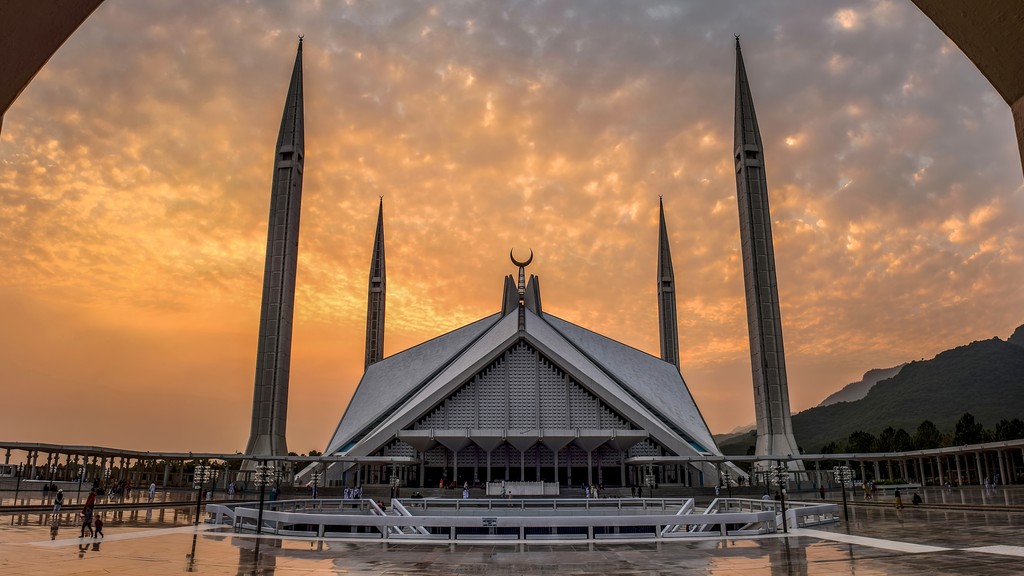
Faisal Mosque, Islamabad. (Photo: Ali Mujtaba / Wikimedia Commons)
The two-day Pakistan National Clean Air Conference in Islamabad has ended with the adoption of the Islamabad Clean Air Compact, a framework under which federal and provincial authorities have agreed to tackle air pollution together. The compact commits them to coordinated action, stricter enforcement, regular emissions inventories and annual review meetings.
The conference, held on 28 and 29 October, was organised by the Pakistan Environmental Protection Agency (Pak-EPA) with support from development partners. It brought together federal and provincial officials, environmental protection agencies from the provinces, Azad Jammu and Kashmir and Gilgit-Baltistan, and international development partners to work through pollution from transport, industry, agricultural burning, household cooking and waste.
Preparing before the winter smog season
Pak-EPA Director General Syed Abrar Hussain stressed the need for coordinated strategies, advance preparation ahead of the winter smog season and stronger monitoring mechanisms. His message was blunt: the challenge is no longer writing policy, but implementing it, and without coordination between provinces, cleaner air will stay out of reach.
A financing framework and the 2023 national policy
Andrew McCarthy of the Asian Development Bank called for consensus on federal and provincial responsibilities and the establishment of a National Clean Air Financing Framework to bring together public funds, climate finance, development assistance and private investment. Pak-EPA spokesperson Dr Zaigham Abbas urged development partners, including the World Bank, ADB, UNICEF, GIZ and ICIMOD, to support implementation of the National Clean Air Policy 2023 through technology-driven measures that target pollution at its source.
A $10 million fund announced at the same conference
At the same conference, Federal Minister for Climate Change Dr Musadik Malik announced a planned $10 million fund for startups developing solutions to Pakistan’s air pollution crisis. He put the economic cost of dirty air at around 6.5 per cent of GDP, and noted that its heaviest burden falls on the poor and vulnerable — children, street vendors, farmers and daily-wage earners who cannot afford air purifiers or other precautions. The urgency was underlined during the conference week itself, when Lahore ranked among the world’s most polluted major cities.