Lancet Countdown: Heat Deaths Up 36% as Experts Urge Climate Change Be Declared a Global Health Emergency
The Lancet climate health emergency call is the starkest warning yet from the world’s most closely watched health-and-climate assessment: heat is killing more people, drought is spreading wider, and the response is falling further behind. The 2026 Lancet Countdown report, launched at the British Library in London ahead of the COP31 climate conference, tracks 54 indicators across heat, air pollution, infectious disease, energy, adaptation and economic damage, drawing on 146 researchers from more than 100 institutions in over 30 countries.
Heat deaths have climbed sharply since the Paris Agreement. Average annual heat-related deaths rose by nearly 36 percent in the years after the agreement took effect, compared with the previous decade. In 2023 alone, heat was linked to a record 710,000 deaths worldwide, with more than 70 percent of that toll attributed to human-caused climate change. Between 2016 and 2023, heat was associated with an average of about 540,800 deaths a year. The economic damage is just as striking: heat-related losses reached an estimated $1.07 trillion in 2025, while extreme drought gripped more than half of the planet’s land surface for at least one month that year.
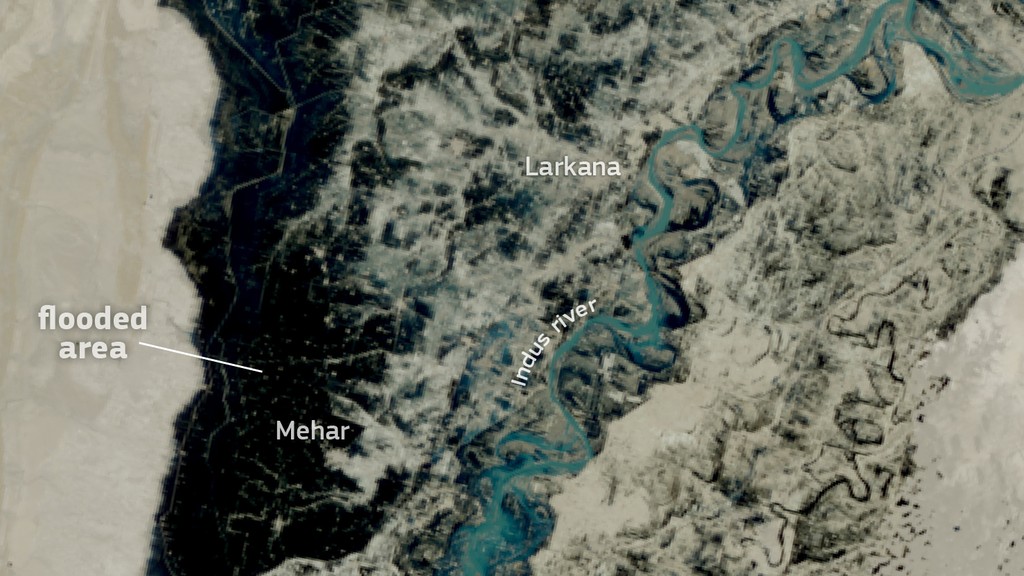
For Pakistan, the warning lands close to home. Former Punjab health minister Professor Dr Javed Akram told Dawn that the devastating 2022 floods displaced communities, damaged health infrastructure, disrupted access to essential medicines and raised the risk of waterborne disease and malnutrition. Extreme heat, he said, threatens vulnerable people most — children, older adults, outdoor workers and those living with chronic illness. He criticised a disaster response that has historically been reactive rather than proactive, with preparations beginning only after disaster strikes, and called for heat-health action plans, effective early-warning systems, climate-proof hospitals, better disease surveillance and wider access to safe water and sanitation.
Former special assistant to the prime minister on health Dr Zafar Mirza warned that extreme heat, flash floods, cloudbursts and worsening air quality are causing illness and death, disrupting healthcare, contaminating water, undermining nutrition and deepening poverty and psychological distress. Pakistan, he said, needs climate-resilient health facilities, stronger surveillance, early warning and coordinated action across health, climate, water, energy and finance.
The report does note progress — record investment in clean energy, more national health adaptation plans and climate-informed early-warning systems. But its authors say that progress remains far short of the accelerating harm, and they want the World Health Organization and the United Nations to treat climate change as a formal global health emergency, with coordinated emergency management rather than slow, voluntary commitments. That is a call for recognition, not a declaration the WHO has made. Professor of environmental science Dr Muhammad Irfan Khan added a pointed complaint: the launch statement did not mention Pakistan at all, despite Germanwatch’s Climate Risk Index 2025 ranking it the country most affected by extreme weather in 2022. Pakistan’s experience, he said, should inform global priorities, research and investment — and affected communities should help shape the response.