Ulema Reaffirm Fatwa Against Suicide Attacks and Terrorism in Quetta, Back Paigham-e-Pakistan
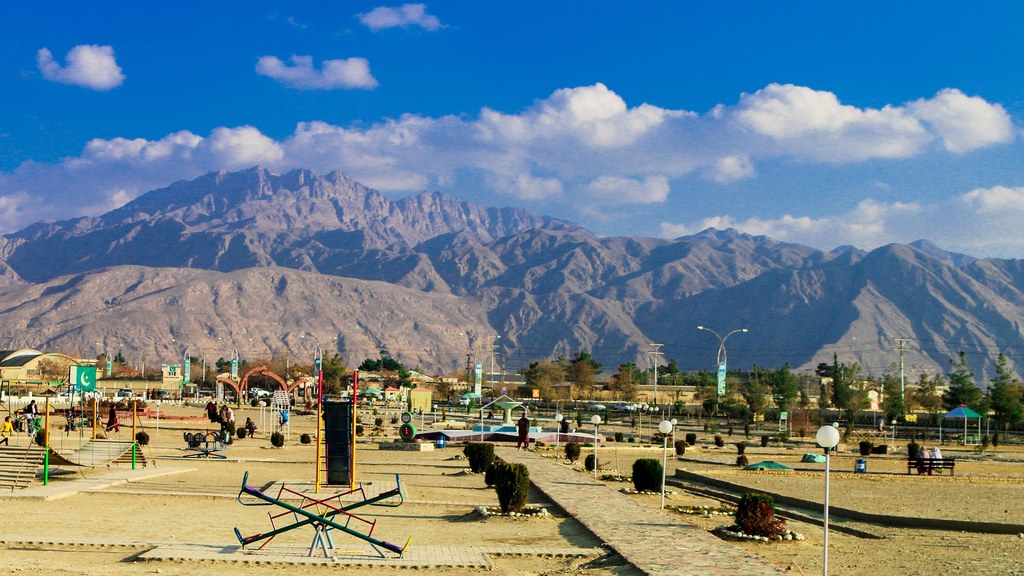
File photo: A view of Quetta Cantonment with mountains behind.
In Quetta, religious scholars from across Pakistan’s schools of thought sat down with spiritual leaders and representatives of other faiths — and spoke with one voice against terrorism. At a joint meeting in the Balochistan capital, they unanimously reaffirmed the consensus fatwa against suicide attacks, terrorism, extremism and the killing of innocent people, and threw their full weight behind the national narrative of Paigham-e-Pakistan.
Who met, and where
The meeting was organised by the National Paigham-e-Aman Committee and the Balochistan Provincial Paigham-e-Aman Committee at Jamia Salafia Dawat-ul-Haq in Quetta. It was chaired by Hafiz Muhammad Tahir Mehmood Ashrafi, chairman of the Pakistan Ulema Council and coordinator of the national committee. Among those present were Maulana Ali Muhammad Abu Turab, Dr Asif Mir, Mufti Yousaf Kashmiri, Maulana Syed Samiullah Agha, Maulana Qasim Haqqani, Allama Nasrullah Hussaini, Mufti Muhammad Jan Qasmi, Maulana Hizbullah Usmani, Maulana Samiullah Awan, Maulana Abdul Rahman, Maulana Abdullah Haqqani, Mufti Umar Farooq, Maulana Abdur Rahman Salafi, Pastor Simon Bashir and Sardar Jasbir Singh.
What the declaration says
The declaration is unsparing. Suicide attacks are forbidden in Islam, it says; the killing of innocent people is impermissible; and terrorism runs contrary to the fundamental teachings of Islam and of all religions. No individual, group or organisation, the participants stressed, has any right to shed blood, take up arms against the state, or take the law into its own hands in the name of religion, sect or any ideology.
The meeting also condemned, in the strongest terms, the use of women, children, young people and students for terrorism and suicide attacks — describing it as religiously forbidden, morally reprehensible and a serious crime against humanity. Those who mislead the younger generation and turn them into fuel for terrorism, the declaration said, are enemies of human life and of Pakistan’s future.
Balochistan’s peace, and protecting the young
The participants backed the country’s security institutions in their fight against what the statement called Fitna al-Khawarij and Fitna al-Hindustan, saying safeguarding national security is a shared responsibility. They stressed that peace in Balochistan is essential for the stability of the whole country, and pledged to promote interfaith and inter-sectarian harmony, religious tolerance and national unity. They also vowed to protect young people from extremist ideologies, hate propaganda and terrorist organisations.