COP31 collapses without a climate deal as fossil fuel deadlock defeats two weeks of talks
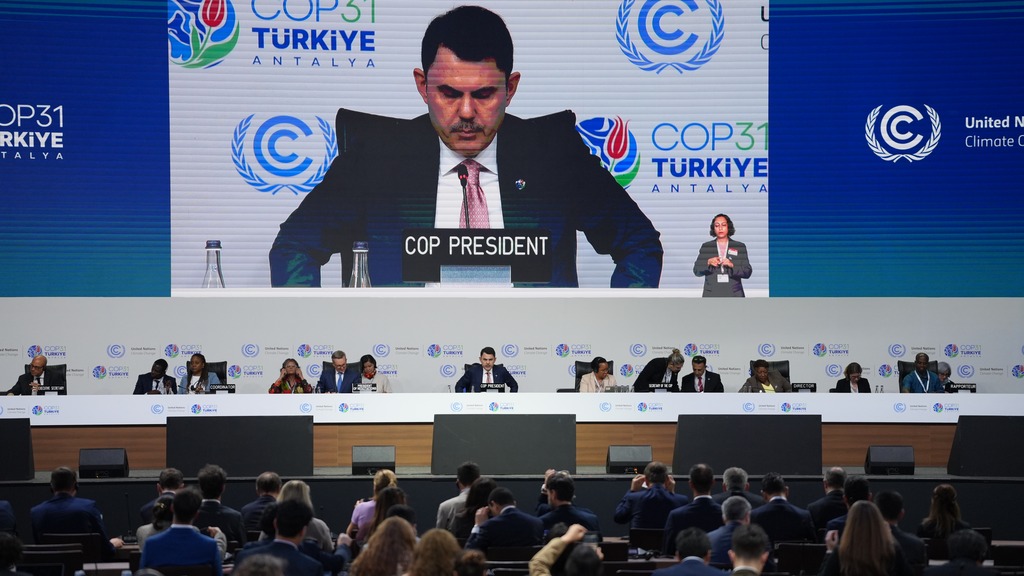
The COP31 closing plenary in Antalya, Turkiye. (File photo)
ANTALYA: The COP31 climate summit ended in the Turkish resort city of Antalya on Sunday without a final climate pact, after two weeks of negotiations and two days of overtime failed to bridge the divide over fossil fuels. It was the first major breakdown of the UN climate talks since Copenhagen in 2009, and the longest summit on record.
The conference opened on 9 November and was due to finish on Friday 20 November. Instead it ran more than 44 hours into overtime, with negotiators working through the weekend before the presidency conceded there was no consensus to gavel through.
The fossil fuel fault line
The collapse came down to a single question: should the final text say the world must move away from fossil fuels? The first draft called for an “immediate transition away from fossil fuels in energy systems”. By the final draft, every mention of fossil fuels had been stripped out. The words fossil, oil, coal and “phase out” did not appear anywhere in the 10-page text, despite a push by more than 100 countries to keep them in. Oil-producing states blocked the language; the European Union and climate-vulnerable nations refused to sign a deal without it.
“Deeply disappointing”
COP31 President Murat Kurum, Türkiye’s environment minister, told the closing plenary: “I understand that there is no agreement on this text. For that reason, these decisions have not been adopted.” UN Secretary-General António Guterres said he was “deeply disappointed” that governments had failed to reach consensus, adding that the outcome did not alter the realities of the climate crisis. Ireland’s climate minister Darragh O’Brien, speaking for the EU, called it “unconscionable” to have a climate act that made no reference to fossil fuels.
What survives the collapse
Not everything was lost. More than 90 countries signed a pledge to speed up the electrification of their economies, and smaller issues did make progress. But the big questions — the fossil fuel transition and climate finance for developing countries — now pass to COP32 in Addis Ababa, Ethiopia, in November 2027. The first draft had proposed tripling adaptation finance to $120 billion; the final text carried no number at all. For countries like Pakistan, among the hardest hit by climate change, the wait grows longer.