Pakistan ‘cautiously optimistic’ on Iran-US mediation, DG ISPR tells Reuters
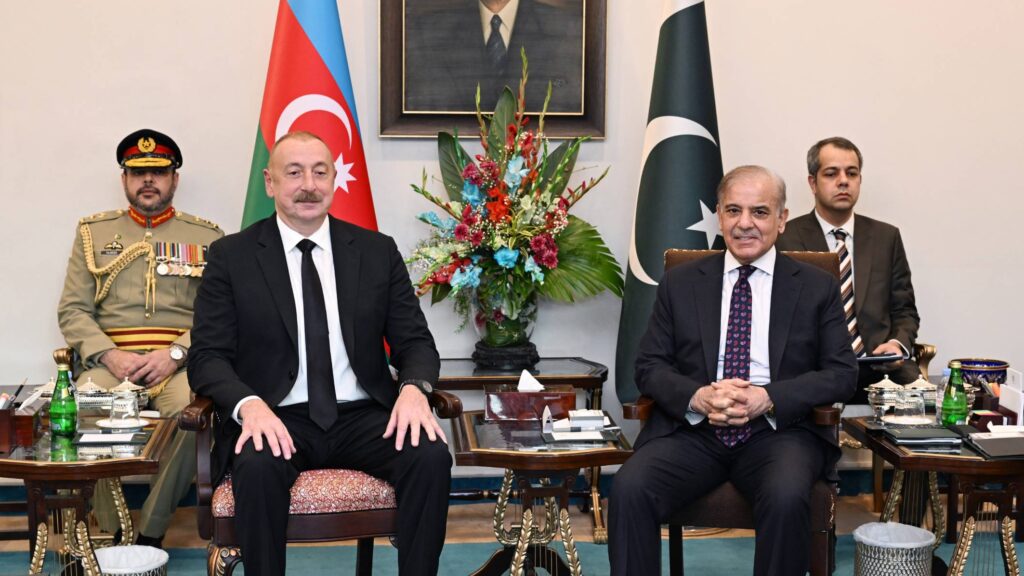
RAWALPINDI: Pakistan’s military is “cautiously optimistic” about its mediation between Iran and the United States, its spokesman has said in his first interview since a high-level regional delegation visited Tehran earlier this week. Lt Gen Ahmed Sharif Chaudhry, Director-General of Inter-Services Public Relations (ISPR), was speaking to Reuters in Rawalpindi on Friday.
The reason for that guarded hope, he said, is right there in the travel diary. Field Marshal Asim Munir, who is leading Islamabad’s diplomatic effort, has been to Tehran twice this month — most recently on Monday, alongside Saudi Defence Minister Prince Khalid bin Salman and Turkish intelligence chief Ibrahim Kalin, for meetings with senior Iranian officials. Asked whether the trips were a positive sign, Chaudhry replied: “Why would the Field Marshal be going twice if it is not for some positivity? So yes, of course.” Then the line he kept coming back to: “The word that we would use is always cautiously optimistic.”
Spoilers still in the game
Chaudhry warned that “powerful spoilers and detractors” still believed the conflict served their interests. He did not name them. Nor would he say what was discussed in Tehran, or whether the United States had backed the trip.
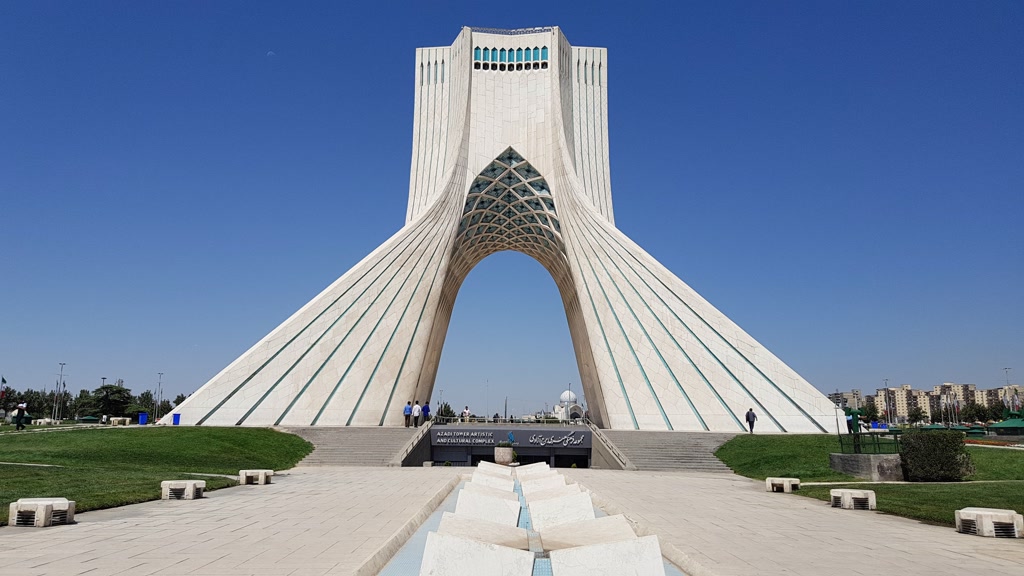
After the talks, Mohsen Rezaei, secretary of Iran’s Supreme National Security Council, said regional security should be ensured by countries in the region, without foreign intervention. He described the discussions as positive, said the four countries believed closer cooperation could help resolve regional problems, and expressed hope the meeting would lead to practical steps towards stronger regional cooperation.
Could Iran join the defence pact?
Chaudhry also addressed the Makkah Joint Defence Agreement, signed on 7 August by Pakistan, Saudi Arabia and Turkiye, under which an attack on any signatory is treated as an attack on all. Its wording, he said, does not bar new members. On whether Iran could join, he said: “Anyone who has a shared vision of collective deterrence and regional peace, why not? Everyone is most welcome” — adding that it is for the political leadership of the three principal parties to decide. He said Pakistan is committed to defending Saudi Arabia and the holy sites of Makkah and Madina.
The initiative comes against an eight-month-old war that began with US and Israeli strikes on Iran in February and widened into a broader regional conflict. Islamabad brokered an April ceasefire that halted the initial phase of intense fighting, but efforts to secure a lasting settlement have since stalled. On 26 October, Iran, Pakistan, Saudi Arabia and Turkiye agreed to continue dialogue on regional peace and security, and Saudi Arabia has since called on the parties to engage constructively with the outcome of the Tehran meeting to prevent a return to military escalation. Hanging over the talks are wider concerns about maritime security and disruption to shipping through the Strait of Hormuz, a vital route for global energy supplies.