Pakistan Suspends Trade With Iran as Gabd-Rimdan and Taftan Crossings Close, Thousands of Containers Stranded and LPG Shortage Feared
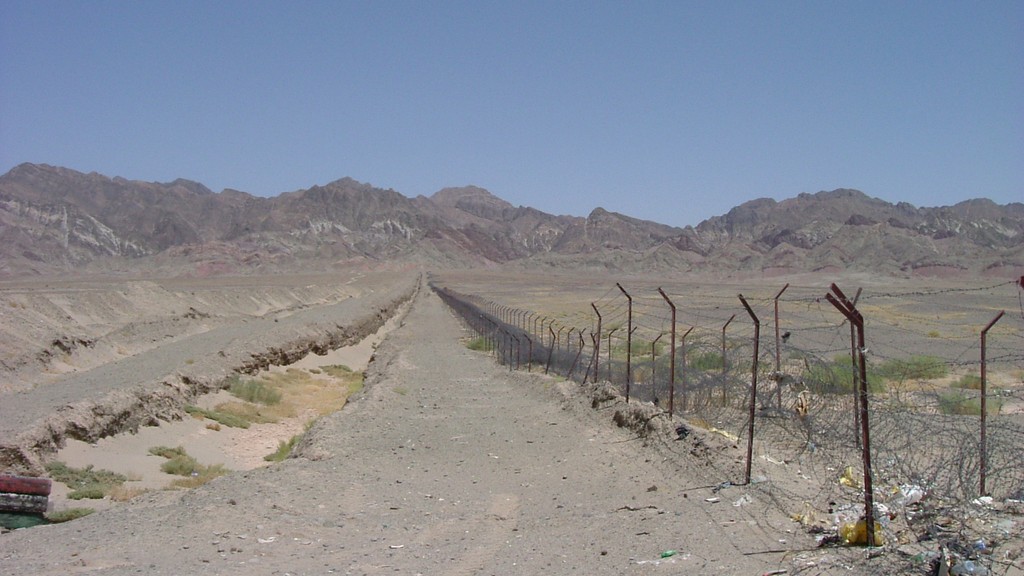
GWADAR/QUETTA: Pakistan has suspended its trade with Iran without warning, closing the official Gabd-Rimdan and Taftan crossings with immediate effect. The Ministry of Commerce has withdrawn its earlier order of October 3, though the new memorandum gives no reason for the shutdown.
Thousands of containers left stranded
The Quetta Chamber of Commerce and Industry has told its members to place no new import or export orders for Iran until further notice. Former chamber president Ayoub Miryani says more than 2,000 containers are stuck at Gabd-Rimdan alone. At Taftan, LPG trader Hajji Liaquat Essazai says the decision came with no advance notice at all. Hundreds of his trucks are standing at the border, he says, and nobody knows how long they will stay there.
Why this crossing mattered so much
More than 4,000 tonnes of LPG were coming into Pakistan through Gabd-Rimdan every day, and the crossing had quietly become a main artery for the country’s energy needs. Pakistani rice exports through the same route had also climbed in recent months, bringing in millions of dollars. Traders warn that the Taftan route was already struggling because of the security situation in Balochistan. With the second route now shut too, they fear LPG shortages in Karachi and other cities, and a fresh push up in open-market prices.
What officials on both sides are saying
Chagai Deputy Commissioner Bakhtiar Ismail calls the closure temporary, saying it is meant to improve border management and support counterterrorism efforts, and that the border will reopen once effective measures are in place. Shahid Rind, adviser to the Balochistan chief minister, has pointed to security and anti-smuggling aims. In Tehran, Foreign Ministry spokesperson Esmail Baghaei described the halt as a matter of technical issues and precautionary measures, adding that both sides are in close contact. According to Iran’s Wana news agency, passenger traffic through Rimdan-Gabd is still moving; only commercial operations have stopped.