CPJ Urges Pakistan to Withdraw PEMRA Curbs on Live Coverage of Attacks and ‘Unpleasant’ Incidents
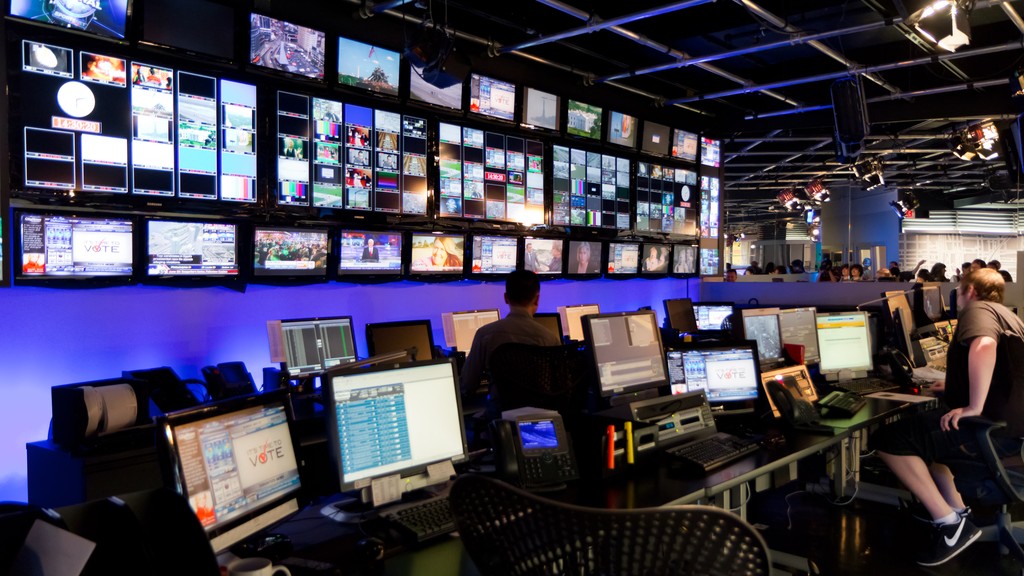
New York: PEMRA live coverage restrictions should be withdrawn, the Committee to Protect Journalists said on Friday, urging Pakistani authorities to drop the sweeping curbs that stop television channels from broadcasting blasts, shootings and terrorist attacks as they happen. In its October 13 directive, the Pakistan Electronic Media Regulatory Authority told every satellite channel to stay away from live coverage — and even rebroadcasts — of any “unfortunate” or “unpleasant” incident, and to air only information verified by government departments or law enforcement agencies.
What the order actually requires
Channels that ignore the directive face legal action. They have also been told to run their broadcasts on a delay and to maintain independent editorial boards. None of this is entirely new: the order revives restrictions PEMRA first issued in February 2023, when the regulator accused channels of airing unverified and speculative reporting during militant attacks.
“A system of official information control”
Waliullah Rahmani, CPJ’s representative for Afghanistan and Pakistan, put the objection plainly. “Preventing journalists from independent reporting of major security incidents and requiring them to rely on information authorized by state and security agencies risks turning legitimate safety safeguards into a system of official information control and censorship,” he said, calling on the authorities to rescind the restrictions and let newsrooms make responsible editorial decisions without fear of regulatory retaliation.
Where the argument really sits
The fight is over one vague phrase. An explosion is an explosion, but “unpleasant incident” can stretch to cover almost anything a regulator dislikes — a protest, an accident, an embarrassing scene. And breaking news is, by its nature, incomplete at first; if every report must wait for official verification, the news bulletin quietly becomes a government handout. PEMRA’s underlying worry is not invented either: live pictures have, in the past, risked compromising security operations while attacks were still under way. The question is whether restraint should come from a newsroom’s professional judgement or from a regulator’s order backed by legal threats. PEMRA has not publicly responded to the CPJ call.