Israel election ends in deadlock as Netanyahu bloc wins 53 seats, eight short of majority
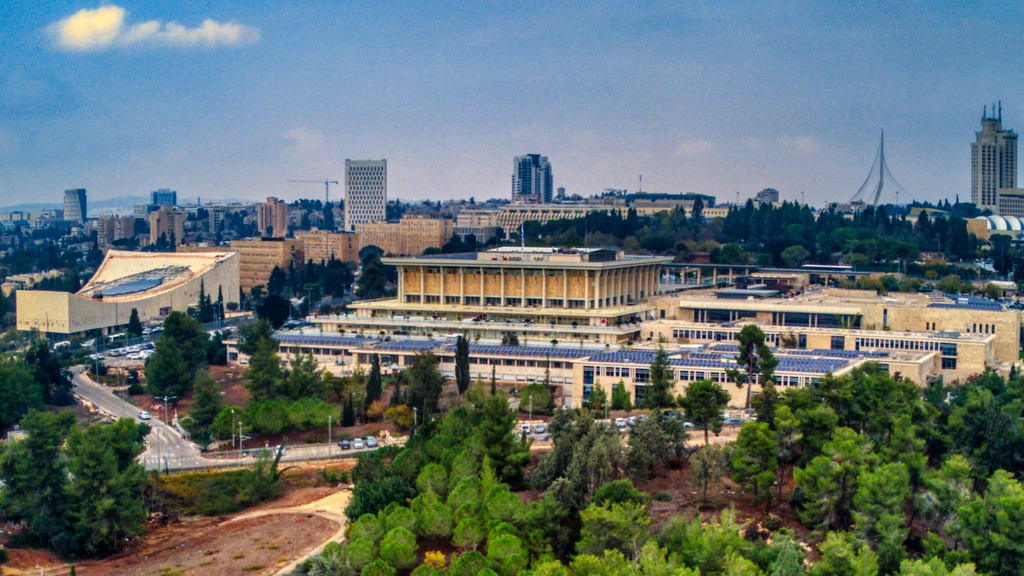
File photograph of the Knesset building in Jerusalem — not a scene from the vote count.
Jerusalem — Israel’s Central Elections Committee has released the final count of the general election, and it settles nothing on its own. Prime Minister Benjamin Netanyahu’s bloc finished first with 53 seats in the 120-member Knesset, but that is still eight seats short of the 61 needed to govern. What follows is now the hard part: weeks of coalition bargaining, with another election still possible if no workable formula emerges.
What the numbers say
Netanyahu’s Likud, with 27 seats, is the largest single party. His bloc of right-wing and far-right parties totals 53. The opposition bloc led by former military chief Gadi Eisenkot won 48 seats — his Yashar party took 21 and former prime minister Naftali Bennett’s B’Yachad took 12. The opposition is 13 seats short of a majority, so both big camps need help from outside their own blocs to reach 61.
The Arab parties hold the balance
The standout story of this election is the performance of the Arab-led parties. The Joint List won 11 seats and Ra’am won 8, a combined 19 — described as a record total for those parties, driven by record turnout among Arab citizens of Israel. The arithmetic is unforgiving: 53 plus 48 plus 19 equals 120. Neither leading camp gets to 61 without the Arab parties’ support, or at least their acquiescence, even though both camps have previously ruled out governing with them.
What happens next
Turnout came in at close to 78 percent, clearly up on 2022. Counting is complete, but the results still await formal certification, expected on 4 November, when they go to President Isaac Herzog. He will then consult party leaders before handing the mandate to the candidate he judges most likely to assemble a coalition. The new Knesset is due to be sworn in on 10 November. Saturday already showed how fast the bargaining has started: Netanyahu met his allies Itamar Ben-Gvir and Bezalel Smotrich, opposition leaders held coalition talks of their own, and an old idea — direct election of the prime minister — was back in discussion. One comparison puts the result in perspective: at its peak in the outgoing parliament, Netanyahu’s bloc held 68 seats. Against that, 53 is a clear step back.