Oman’s Foreign Minister Badr Albusaidi Begins Two-Day Pakistan Visit Today, Joint Ministerial Commission to Meet in Islamabad
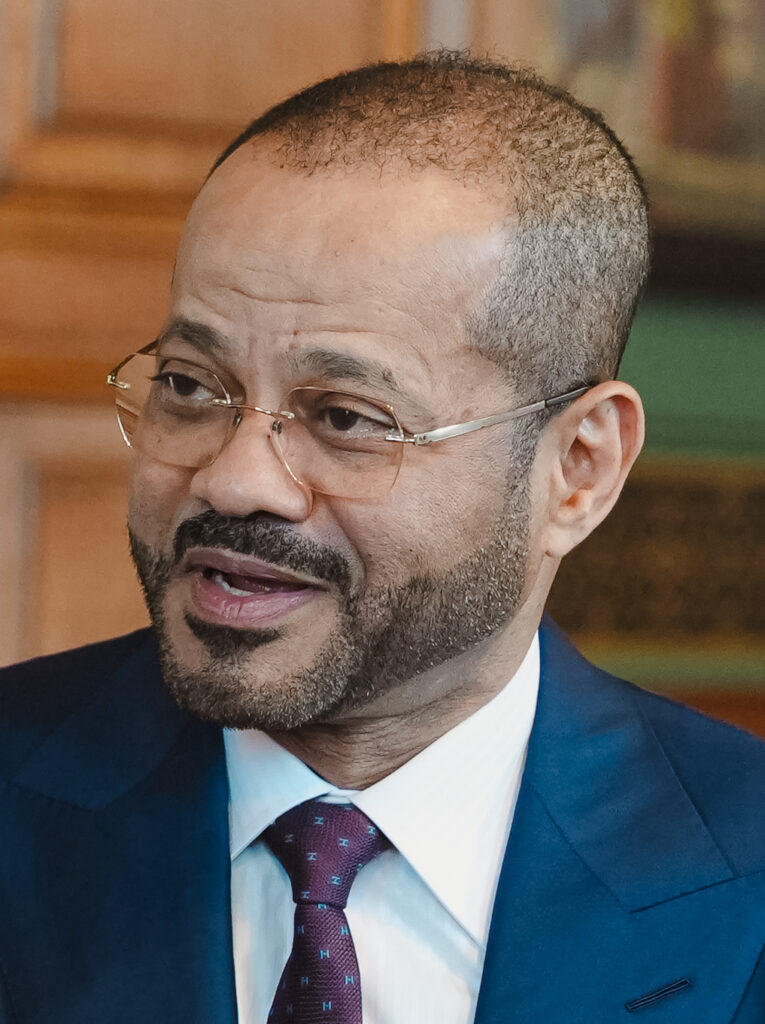
ISLAMABAD: Oman’s Foreign Minister Sayyid Badr bin Hamad bin Hamood Albusaidi begins a two-day official visit to Pakistan today, Tuesday. According to the Foreign Office, the visit is taking place at the invitation of Deputy Prime Minister and Foreign Minister Senator Mohammad Ishaq Dar and will continue until October 14.
Joint Ministerial Commission session
The centrepiece of the visit is the eighth session of the Pakistan-Oman Joint Ministerial Commission, which will be held in Islamabad and co-chaired by the foreign ministers of the two countries. The Foreign Office says the meeting will review the entire spectrum of bilateral relations and discuss ways to further strengthen cooperation in diverse fields. According to Radio Pakistan, the agenda covers trade, investment, industry, agriculture, finance, oil and gas, labour, consular affairs, security, defence, climate change, civil aviation, education, media and culture. Ahead of the session, Dar also chaired an inter-ministerial meeting to review preparations, proposed agreements and arrangements for the talks.
Call on the prime minister
The Omani foreign minister is also expected to pay a courtesy call on Prime Minister Shehbaz Sharif during his stay. The Foreign Office has described the visit as a reflection of the longstanding fraternal relations between Pakistan and Oman, and expects it to deepen mutually beneficial cooperation across multiple sectors.
Regional backdrop
The visit comes at a time of heightened concern in the Middle East over tensions around the Strait of Hormuz and attacks on Saudi Arabia, while Pakistan itself has been diplomatically active in efforts to ease regional tensions. Oman has traditionally played a mediating role in regional disputes, which makes this high-level contact between Islamabad and Muscat significant in the regional context as well — although the Foreign Office statement did not list those issues as a formal part of the agenda.