Pakistan and Oman Exchange Six Agreements as Joint Ministerial Commission Sets Up Working Groups on Trade, Energy and Labour
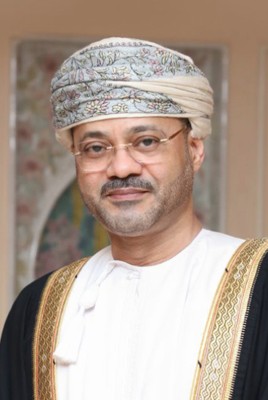
ISLAMABAD: Pakistan and Oman exchanged six agreements and memorandums of understanding in Islamabad on Wednesday, on the sidelines of the eighth session of their Joint Ministerial Commission. Deputy Prime Minister and Foreign Minister Ishaq Dar co-chaired the session with Oman’s Foreign Minister Sayyid Badr bin Hamad bin Hamood Albusaidi, and Prime Minister Shehbaz Sharif received the visiting minister and witnessed the exchange of documents.
What was signed
Dar and Albusaidi put their names to three of the documents: the protocol recording the minutes of the commission’s session, an agreement exempting holders of diplomatic, special, official and service passports from visas, and an MoU on records and archives. The remaining three MoUs cover information and broadcasting, information technology and telecommunications, and news exchange and media cooperation, and were signed by the relevant federal ministers.
Working groups, and what comes next
The practical outcome, Dar said afterwards, is a set of joint working groups that have now been established and operationalised — on trade and investment, agriculture, oil and gas, and labour and human resource development — so that follow-up does not wait for the next ministerial meeting. Ports and logistics, energy, food security, tourism and education also featured in the talks. The ninth session of the commission will be held in Oman.
On the regional situation, both ministers backed diplomacy as the way to bring peace to the Middle East and stressed that shipping must be able to move safely and freely through the Strait of Hormuz and Bab al-Mandab, the sea lanes that carry much of the world’s energy and food supplies.
Albusaidi arrived in Pakistan on October 13 for a two-day visit at Dar’s invitation; the commission session was the centrepiece of that visit.