State Bank raises policy rate by 50 basis points to 12% as energy prices stoke inflation risks
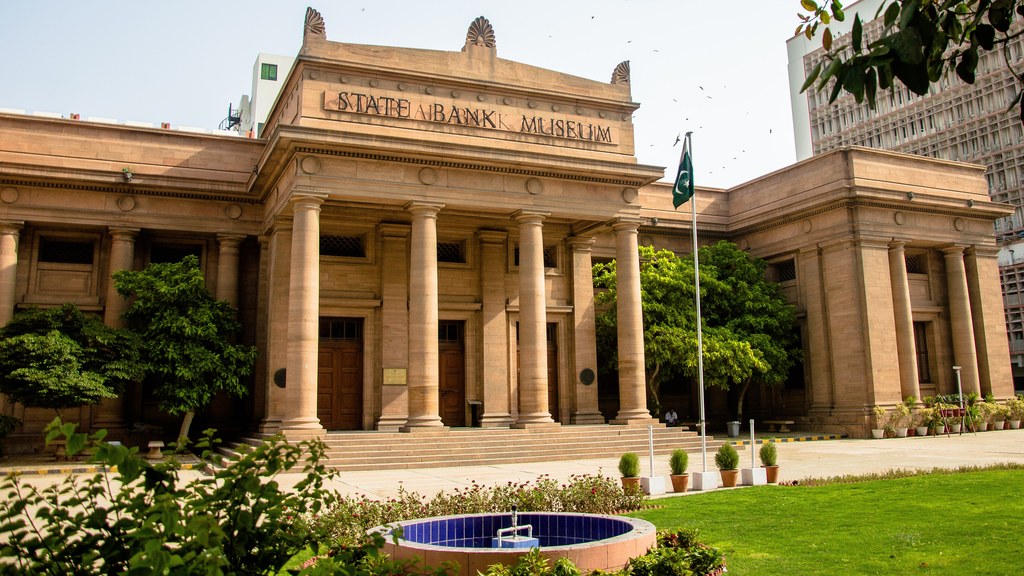
KARACHI: Pakistan’s central bank has raised interest rates. The State Bank of Pakistan’s Monetary Policy Committee decided on Monday in Karachi to lift the policy rate by 50 basis points, taking it from 11.5% to 12%. The new rate takes effect on Tuesday, October 27.
It is the first increase since April. The committee had held the rate steady at its three previous meetings since June, but this time the balance tipped the other way — nine of the committee’s ten members voted for the hike, a margin that leaves little doubt about how seriously the inflation outlook is now being taken. Governor Jameel Ahmad announced the decision at a press conference after the meeting.
Energy prices are driving the decision
The committee’s statement names the culprit plainly: the intensifying conflict in the Middle East, with little prospect of a near-term resolution, is keeping global energy prices persistently high. Crude oil is trading above $100 a barrel, and for an energy-importing country like Pakistan the pass-through is direct — dearer transport, dearer electricity, and eventually dearer goods on the shelves.
The numbers back the move. Headline inflation eased to 10.3% year on year in September from 11.1% in August, but it remains well above the central bank’s 5–7% target range, and it has now sat above that range for seven straight months. The committee said the hike was needed to keep inflation expectations anchored and to stop the supply shock feeding into a second round of price rises.
What it means for borrowers and businesses
A higher policy rate means dearer borrowing across the board — business loans, household financing and the government’s own borrowing costs all rise, and the effect will show up in prices and investment decisions over the coming months. Savers, on the other side, can expect somewhat better returns on bank deposits.
The governor also set out the broader picture: growth is expected at 3.5–4.5% this fiscal year, exports at $32.5 billion, remittances at $45 billion and imports at $71 billion. The outlook for the external account and growth, the committee said, is broadly unchanged — but the risks to both have grown.
The market had largely priced this in — a Topline Securities survey had most participants expecting exactly a 50-basis-point move — so the real question now is what the committee does next, and whether energy prices cool or keep the pressure on.