Pakistan warns Afghan Taliban its security is not hostage to Kabul’s inaction as US backs Islamabad’s concerns
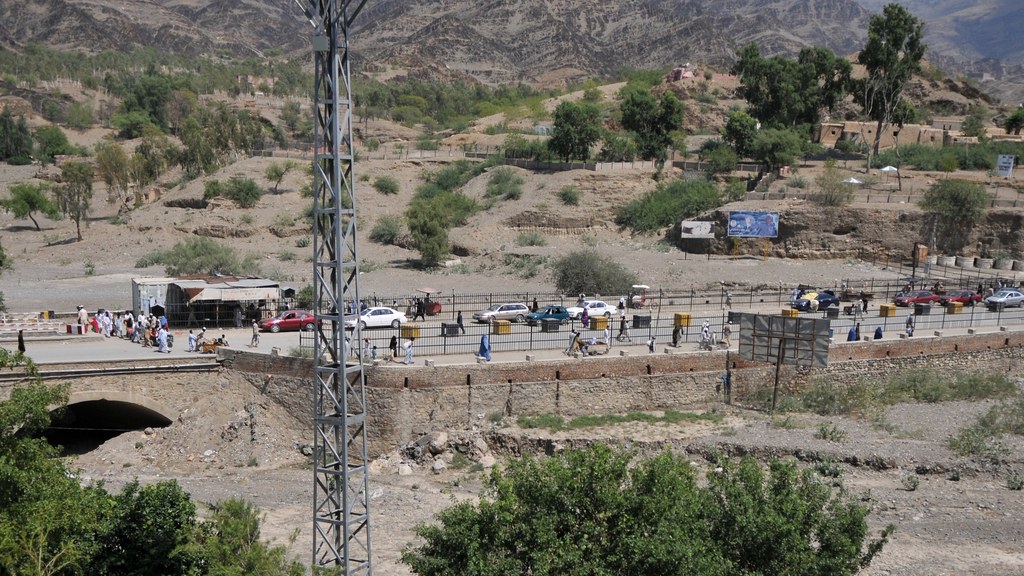
File photo: the Pakistan-Afghanistan border crossing at Torkham — not Angoor Adda.
Islamabad has told Kabul, once again and this time in sharper language than before, that its patience has a limit. In a statement issued on Saturday, the Ministry of Information and Broadcasting accused the Afghan Taliban leadership of looking away from the real cause of the breakdown in relations, and said plainly that terrorism is a red line for Pakistan — one on which there will be no compromise.
What the statement said
The statement was an answer to the Taliban spokesman’s latest remarks. Zabihullah Mujahid had told Hurriyat Radio that Pakistan was not ready to settle differences through dialogue, and that efforts to ease tensions had so far failed. The information ministry called that a “deeply misguided approach” and said Kabul’s leadership keeps blaming Islamabad’s policies while ignoring the one fact poisoning the relationship: terrorism emanating from Afghan soil that never stops.
Pakistan, the statement added, will not tolerate terrorist sanctuaries across its borders, and reserves the right under international law to take all necessary measures for its own security, wherever the threat comes from. The closing line is the one drawing the most attention: “Pakistan’s security will not be held hostage to Afghan Taliban’s inaction, evasions or misplaced priorities.” Kabul was also reminded not to mistake Pakistan’s resolve to protect its people for weakness.
The American response
The same day, at the close of the G20 foreign ministers’ meeting in Atlanta, US Secretary of State Marco Rubio backed Pakistan’s case. He said Pakistan was concerned that terrorist attacks were being sponsored from Afghan territory, and that the Taliban had not done enough to constrain them. “We obviously have heard those concerns on their part,” Rubio said. “We obviously don’t want them to be targeted by terrorism.” If Washington could play a productive role in easing the tensions, he added, it would.
The backdrop
The statement lands as border tensions climb again. On 24 October the information ministry had already cited United Nations and American assessments in demanding verifiable action from the Taliban regime against the Tehreek-e-Taliban Pakistan and the Balochistan Liberation Army. According to figures cited by Pakistani authorities, terrorism emanating from Afghan soil has killed 1,327 Pakistanis and injured 2,484 more this year alone. Islamabad’s message now boils down to a single sentence: blame-shifting will not end this crisis — the responsibility sits with Kabul.