Pakistan Makes 2D Barcodes Mandatory on Medicines in Push Against Counterfeit Drugs
Buying medicine in Pakistan is about to change. Federal Health Minister Syed Mustafa Kamal chaired a meeting in Islamabad on Thursday to review trials of the 2D barcode system, and the rule he restated is simple: every medicine manufactured after October 9 must carry a 2D barcode and a serial number. An imported medicine that does not carry the code cannot be sold anywhere in the country. The chief executives of the Drug Regulatory Authority of Pakistan (DRAP) and the National Information Technology Board attended, and the DRAP chief briefed the meeting on how implementation is going.
Local and multinational makers both covered
The requirement is not limited to local industry. Multinational companies selling in Pakistan are bound by the same rule, and the system extends beyond human medicines to veterinary and poultry products, on the reasoning that what is given to animals finds its way back to human health. The health ministry has been working on the system for about a year and a half, and DRAP says it has completed training for pharmaceutical company representatives and other stakeholders. This is the first phase of the Pharmaceutical Track and Trace System, designed to make a medicine identifiable at every step from factory to patient.
Buyers will check medicines on a phone app
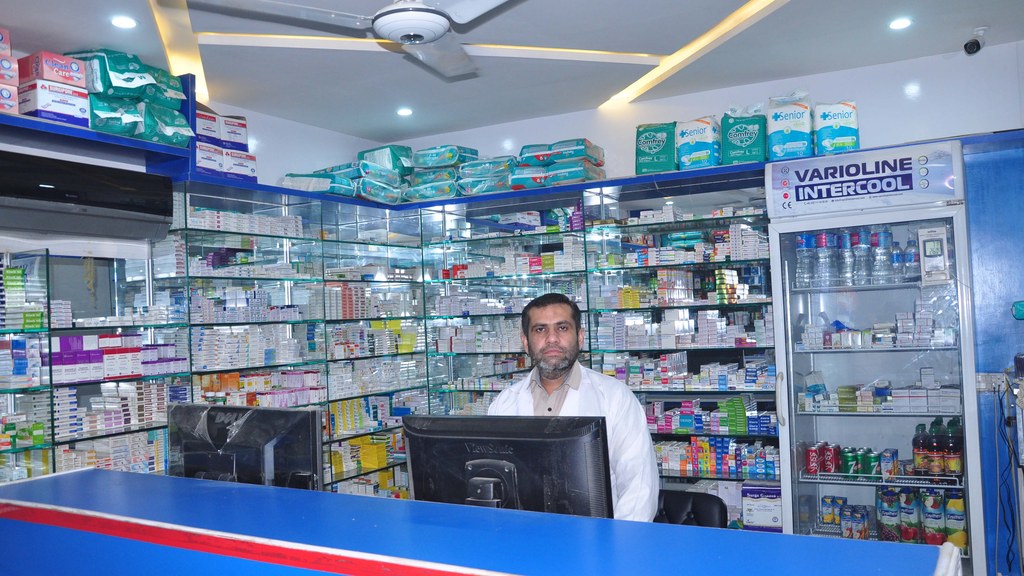
For the ordinary buyer, the practical change is this: citizens, pharmacies and medical stores will be able to scan a pack through a mobile application and check whether the medicine is genuine, what its price is and when it expires. Kamal said the ministry is resolved to rid the country of counterfeit medicines. Whether the rollout now moves fast enough to squeeze fake drugs out of the market is the question the trial phase has to answer.